The 2026 K-Drama Universe is generating significant fan theories regarding interconnected narratives and upcoming series, driven by subtle hints and recurring motifs across popular shows.
The anticipation surrounding The 2026 K-Drama Universe: A Comparison of 7 Fan Theories on Interconnected Storylines and Future Series is palpable among enthusiasts worldwide. As K-dramas continue to expand their global reach, the idea of a shared narrative fabric, where characters and events from different shows subtly intertwine, has captivated the imagination of a dedicated fanbase.
The Rise of Interconnected K-Drama Universes
The concept of an interconnected K-Drama Universe is not entirely new, but its potential for 2026 has reached a fever pitch. Fans are meticulously dissecting every detail, from subtle Easter eggs to recurring themes, searching for clues that might link seemingly disparate stories. This phenomenon reflects a growing trend in global entertainment, where shared universes offer deeper engagement and long-term storytelling possibilities.
The allure lies in the unexpected connections and the expansion of beloved characters’ journeys beyond their original narratives. Imagine a detective from a crime thriller encountering a supernatural being from a fantasy romance – the possibilities are endless. This speculative approach transforms passive viewing into an active, analytical experience, fostering a vibrant community of theorists.
Subtle Clues and Narrative Threads
Many theories begin with observations of minor details that hint at a larger world. These can include:
- Shared fictional brands or locations appearing in multiple dramas.
- Cameo appearances by actors in roles that suggest a continuation or parallel existence.
- Similar thematic elements or mythological underpinnings across different series.
These subtle breadcrumbs are often enough to ignite extensive discussions and spark intricate theories among fans, paving the way for a richer viewing experience.
The increasing sophistication of K-drama production and writing also contributes to this trend. Writers are more adept at weaving complex narratives that can sustain multiple interpretations and potential expansions. This intentional ambiguity often fuels fan speculation, turning it into a collaborative storytelling exercise between creators and their audience.
Ultimately, the fascination with interconnected K-Drama Universes stems from a desire for continuity and deeper meaning within a beloved medium. As we approach 2026, the groundwork for these elaborate theories is being laid, promising an exciting future for K-drama storytelling.
Theory 1: The ‘Webtoon World’ Convergence
One of the most persistent theories for the 2026 K-Drama Universe posits a convergence of K-dramas adapted from popular webtoons. This theory suggests that various webtoon-based dramas, despite their differing genres, might exist within a singular, overarching ‘webtoon world’ where characters can theoretically cross paths or be aware of each other’s existence.
The popularity of webtoon adaptations has soared, bringing diverse stories like fantasy, romance, and thriller to the screen. Fans believe that given their common origin, writers might subtly implement a shared reality, allowing for future crossovers or spin-offs that acknowledge this underlying connection. This could manifest as subtle hints in dialogue or background elements.
Potential Crossover Mechanisms
How could these webtoon worlds connect? Fans have several ideas:
- A central magical artifact or portal that links different dimensions or timelines.
- Characters from one webtoon universe briefly appearing in another through a ‘glitch’ or parallel world scenario.
- A secret organization that monitors and manages the integrity of these separate webtoon realities.
These mechanisms provide fertile ground for creative storytelling and unexpected character interactions, enriching the overall narrative landscape.
This theory gains traction from the sheer volume of successful webtoon adaptations and the shared creative teams often involved in their production. It’s not uncommon for a production company to adapt multiple webtoons, making the idea of an internal, subtle connection more plausible. The ‘webtoon world’ theory offers a tantalizing prospect of a deeply integrated narrative cosmos.
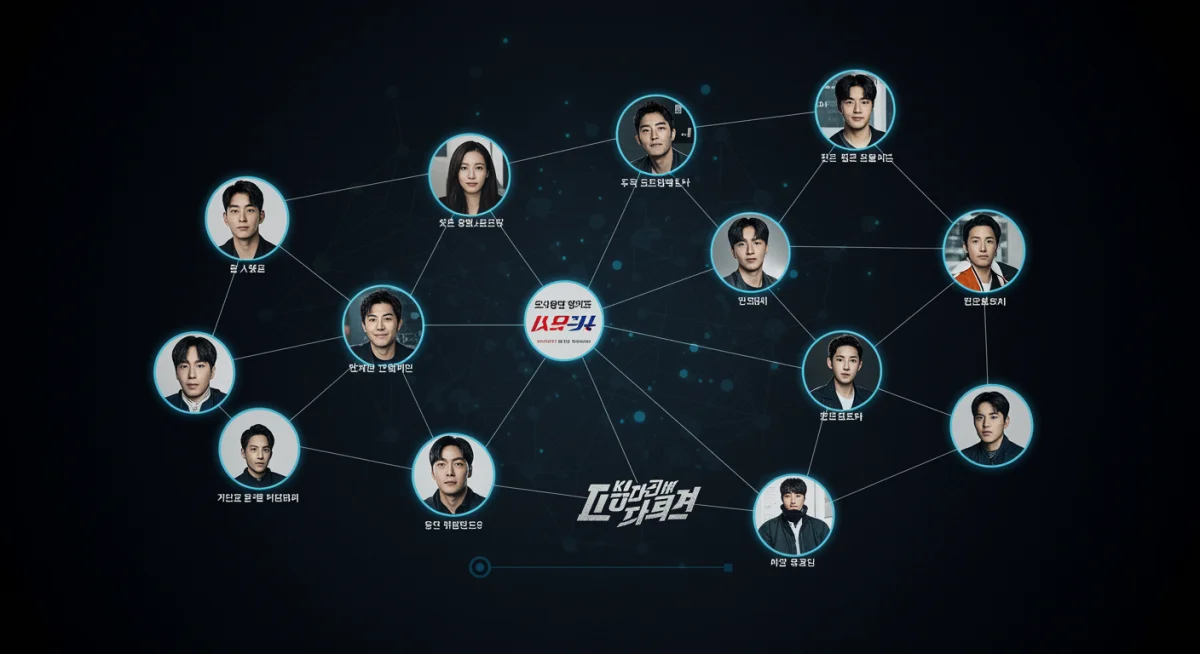
Theory 2: Time Travel and Parallel Universes as Unifying Themes
Another compelling theory for the 2026 K-Drama Universe centers on time travel and parallel universes as unifying narrative devices. Many K-dramas already explore these complex themes, presenting an opportunity for a grander, interconnected story where different series’ timelines or alternate realities are not just isolated plots but components of a larger multiverse.
This theory suggests that seemingly standalone dramas featuring time travel or parallel dimensions could, in fact, be fragments of a single, vast narrative. Characters from one drama might inadvertently impact events in another through temporal shifts, or different versions of the same character could exist across various shows, each unaware of their multiversal counterparts.
The Butterfly Effect and Cross-Dimensional Links
The implications of such a universe are profound, touching upon concepts like:
- The ‘butterfly effect,’ where small changes in one timeline drastically alter others.
- The existence of a central nexus or guardian that oversees these parallel dimensions.
- Characters developing powers or knowledge that allow them to traverse these different realities.
These elements provide a framework for intricate plotting and the potential for epic crossover events that transcend traditional K-drama storytelling.
The beauty of this theory lies in its ability to retroactively connect existing dramas and pave the way for new ones. A seemingly minor plot point in a 2023 drama about time travel could become a pivotal moment in a 2026 series, revealing a hidden connection. This approach rewards attentive viewers and encourages a deeper analysis of K-drama narratives.
Theory 3: The ‘Secret Organization’ Behind Every Crisis
A popular, darker theory suggests a ‘secret organization’ operating in the shadows, orchestrating or influencing major events and crises across various K-dramas, thereby linking them within the 2026 K-Drama Universe. This clandestine group could be a shadowy government agency, a powerful corporate entity, or even a supernatural cult that subtly pulls strings in different narratives.
This theory often emerges from dramas featuring high-stakes conspiracies, political intrigue, or mysterious, seemingly unrelated incidents that plague different characters. Fans hypothesize that these disparate events are not coincidental but are part of a grander scheme orchestrated by a single, powerful, and hidden entity, impacting heroes and villains alike.
Identifying the Shadowy Hand
Clues pointing to this secret organization might include:
- Recurring symbols or insignia appearing in different dramas.
- Similar modus operandi in crimes or unexplained phenomena across series.
- Characters from different shows having indirect connections to a single, enigmatic figure.
The idea of a master manipulator adds a layer of complexity and danger to the K-drama landscape, suggesting that no character is truly safe from its influence.
The ‘secret organization’ theory appeals to viewers who enjoy intricate conspiracy plots and the idea of a hidden force driving destiny. It offers a compelling explanation for narrative coincidences and opens the door for a massive, universe-spanning confrontation in future series. The anticipation of uncovering this organization’s true motives and identity fuels much of the fan discussion.
Theory 4: Shared Mythology and Folklore
Many K-dramas, particularly those in the fantasy and historical genres, draw heavily from Korean mythology, folklore, and traditional beliefs. The ‘shared mythology’ theory proposes that the 2026 K-Drama Universe will deepen these connections, establishing a unified mythological framework that underpins various supernatural and historical series, creating a cohesive fantasy realm.
This theory suggests that gods, mythical creatures, and ancient legends featured in different dramas are not isolated interpretations but are part of a singular, consistent pantheon or magical system. For instance, a mythical beast in one show might be related to an ancient deity in another, hinting at a shared history and interconnected magical laws that govern these worlds.
Interpreting Ancient Prophecies and Beings
Elements that support this theory include:
- Consistent depictions of specific mythical creatures or supernatural abilities across dramas.
- References to ancient prophecies or historical events that resonate in multiple series.
- The presence of ‘guardians’ or ‘shamans’ who understand the rules of this shared mythological realm.
This approach transforms individual fantasy dramas into chapters of an epic, unfolding saga, where each series contributes to a grander narrative of deities, spirits, and human destiny.
The richness of Korean folklore provides an endless wellspring for such a universe. Fans enjoy piecing together fragmented lore from different dramas to construct a more complete understanding of this potential shared mythological reality. This theory promises a deeply immersive and culturally resonant K-drama universe, where ancient tales gain new life and connections.
Theory 5: Character Reincarnations and Soulmate Connections
The theme of reincarnation and fated soulmate connections is a recurring motif in many K-dramas, especially within the romance and fantasy genres. The ‘character reincarnation’ theory for the 2026 K-Drama Universe speculates that specific character archetypes, or even the same souls, are repeatedly reincarnated across different series, destined to meet or fulfill a particular purpose.
This theory suggests that a character’s journey doesn’t end with a single drama but continues through various lifetimes and storylines. A pair of lovers from a historical drama might reappear as modern-day soulmates in a contemporary romance, or a hero from a fantasy epic might be reborn as an ordinary person with a latent destiny in another series.
Threads of Destiny Across Eras
Evidence for this theory often includes:
- Actors frequently playing roles with similar personality traits or character arcs across different shows.
- Birthmarks, objects, or recurring dreams that link characters across different timelines.
- The concept of ‘red string of fate’ or other traditional beliefs about destiny being explicitly explored.
This theory adds a layer of profound romanticism and destiny to the K-drama universe, suggesting that certain connections are simply meant to be, transcending time and individual narratives.
The appeal of the ‘character reincarnation’ theory lies in its emotional depth and the idea that love and destiny are eternal. Fans find joy in identifying these potential soulmate connections and tracing character journeys across different dramas, creating a sense of a vast, interconnected tapestry of human (and sometimes supernatural) experience.
Theory 6: The ‘Meta-Narrative’ of K-Drama Production
A more abstract but intriguing theory for the 2026 K-Drama Universe is the ‘meta-narrative’ concept. This theory proposes that some K-dramas are subtly self-aware, hinting at their own existence as fictional works within a larger ‘production universe.’ It suggests that characters might occasionally break the fourth wall or that elements within a drama reflect the process of K-drama creation itself.
This theory goes beyond simple Easter eggs, suggesting a deeper, philosophical connection. For example, a drama might feature a character who is a K-drama writer, and their fictional work eerily mirrors events in another K-drama. Or, a character might express a fleeting thought about their life feeling like a drama, subtly acknowledging the meta-narrative.
Layers of Reality and Storytelling
Clues that might support a meta-narrative include:
- Characters watching or discussing K-dramas that resemble other real-world or fictional K-dramas.
- Subtle visual cues, like cameras or film sets appearing unexpectedly in the background.
- Dialogue that hints at the constructed nature of their reality, perhaps through philosophical musings.
This theory adds a clever, self-referential dimension to the K-drama universe, inviting viewers to ponder the nature of storytelling and reality itself within the context of their favorite shows.
The ‘meta-narrative’ theory is particularly appealing to those who appreciate intellectual depth and clever storytelling. It transforms the act of watching into an exploration of the art form itself, suggesting that the K-drama universe is not just about interconnected plots but about the very act of creating and consuming these stories. It’s a testament to the evolving sophistication of K-drama writing.
Theory 7: The ‘Healing Universe’ and Shared Trauma
The final theory for the 2026 K-Drama Universe focuses on a ‘healing universe,’ where various dramas, particularly those dealing with mental health, social issues, or personal growth, are connected by a shared theme of overcoming trauma and finding solace. This theory suggests that characters from different series, though physically separate, are spiritually or thematically linked by their journeys toward healing and self-discovery.
This isn’t about direct crossovers but a thematic resonance that implies a larger, compassionate narrative. For example, a character struggling with anxiety in one drama might be subtly mirrored by another character finding strength after loss in a different series, both contributing to a collective message of hope and resilience within the K-drama landscape.
Thematic Bridges and Emotional Resonance
Aspects supporting this ‘healing universe’ theory include:
- Recurring motifs of therapy, support groups, or acts of kindness across diverse dramas.
- The consistent portrayal of characters finding strength in unexpected connections or communities.
- Dramas that collectively explore different facets of human vulnerability and recovery, building a comprehensive tapestry of emotional resilience.
This theory emphasizes the profound impact K-dramas have on addressing real-world issues, creating a universe where empathy and understanding are paramount.
The ‘healing universe’ theory resonates deeply with fans who appreciate the emotional depth and social commentary often found in K-dramas. It suggests that the collective output of K-drama creators is not just entertainment but a powerful force for promoting mental well-being and fostering a sense of shared humanity. This thematic interconnectedness offers a comforting and inspiring vision for the future of K-drama.
| Theory Name | Brief Description |
|---|---|
| Webtoon World Convergence | Webtoon-adapted dramas share a single reality, allowing for future crossovers. |
| Time Travel & Parallel Universes | Dramas featuring time travel or alternate realities are part of a larger multiverse. |
| Secret Organization | A clandestine group orchestrates events across various K-dramas, linking them. |
| Shared Mythology | K-dramas draw from a unified mythological framework, connecting fantasy series. |
Frequently Asked Questions About the 2026 K-Drama Universe
Fan theories are primarily fueled by subtle Easter eggs, recurring thematic elements, and the increasing popularity of shared universes in global entertainment, encouraging viewers to seek deeper connections across different K-drama series and speculate on future developments.
Generally, no. Most K-drama universe theories are fan-generated and are not officially confirmed by production companies or writers. However, some creators might subtly acknowledge or even intentionally plant clues to engage the fanbase, without fully committing to a grand, overarching universe.
Given that many popular K-dramas originate from webtoons, fans theorize that these adaptations might share a common ‘webtoon world’ reality. This shared origin could allow for subtle crossovers or spin-offs, creating a unified narrative despite genre differences, driven by common creative teams.
Time travel and parallel universes are seen as potential unifying mechanisms. Fans hypothesize that dramas exploring these themes could be part of a larger multiverse, where characters or events from one series impact others through temporal shifts or cross-dimensional encounters, creating complex, interconnected narratives.
Yes, the ‘healing universe’ theory suggests that dramas focusing on mental health, trauma, and personal growth are thematically linked. It implies a collective narrative where characters from different series contribute to a broader message of hope and resilience, emphasizing empathy and shared human experience, without direct character crossovers.
The Evolving Landscape of K-Drama Storytelling
The exploration of these seven fan theories about the 2026 K-Drama Universe underscores a significant evolution in storytelling. As K-dramas continue to captivate global audiences, the desire for deeper, more intricate narratives that transcend individual series grows stronger. Whether through intentional design by creators or the collective imagination of fans, the concept of an interconnected K-Drama Universe adds an exciting layer of engagement and anticipation. It transforms passive viewing into an interactive experience, where every detail can be a clue to a larger, unfolding story. The future of K-dramas promises not just compelling individual tales, but potentially a grand tapestry of interconnected worlds, characters, and destinies, continually enriching the fan experience.