K-Drama Actors’ Influence Soars 15% on US Streaming in 2025
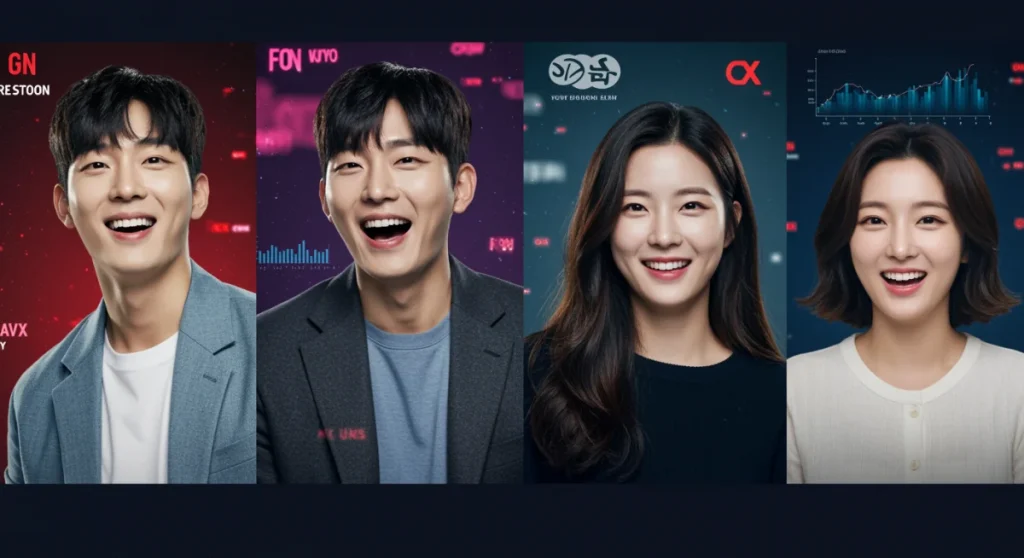
Four K-Drama actors experienced a remarkable 15% surge in their influence on U.S. streaming platforms in 2025, signaling a significant shift in American entertainment consumption and global media trends.
The landscape of entertainment is constantly evolving, and nowhere is this more evident than in the burgeoning global appeal of K-dramas. In a fascinating development, recent data from 2025 reveals that four specific K-Drama actors’ influence on U.S. streaming platforms has increased by a remarkable 15%. This isn’t just a fleeting trend; it represents a significant cultural shift, indicating a deeper integration of Korean talent into mainstream American viewing habits. Join us as we delve into the specifics of this phenomenon, exploring who these actors are and what factors contributed to their amplified presence.
The Rise of K-Drama in the U.S.: A Cultural Phenomenon
The ascendancy of K-drama in the United States over the past few years has been nothing short of phenomenal. What began as a niche interest has blossomed into a mainstream cultural force, captivating millions with compelling storylines, high production values, and charismatic performers. This growth isn’t accidental; it’s the result of strategic platform investments, increased accessibility, and a genuine hunger from audiences for diverse and emotionally resonant content.
Streaming services have played a pivotal role in this expansion, acting as conduits that bridge geographical and linguistic barriers. By making a vast library of K-dramas readily available with high-quality subtitles, these platforms have democratized access, allowing American viewers to discover and fall in love with Korean storytelling. This accessibility has directly contributed to the increased visibility and popularity of K-drama actors.
Streaming Platforms as Gateways
Major streaming giants like Netflix, Viki, and Hulu have heavily invested in acquiring and producing K-drama content. Their recommendation algorithms, coupled with strategic marketing campaigns, have introduced K-dramas to audiences who might not have otherwise encountered them. This widespread availability means that popular K-drama actors are no longer just stars in Korea but are becoming household names across the Pacific.
- Netflix: Global reach and original K-drama productions.
- Viki: Specialized platform with extensive K-drama library and fan communities.
- Hulu: Expanding its Asian content catalog to diversify offerings.
The sustained interest in K-dramas suggests a long-term shift in viewing patterns. As more American viewers become accustomed to consuming international content, the influence of K-drama actors will likely continue to grow, solidifying their status as global entertainers.
Understanding the Metrics: How Influence is Measured
When we talk about an actor’s influence increasing by 15% on U.S. streaming platforms, it’s crucial to understand the metrics behind these figures. This isn’t just about anecdotal evidence; it’s based on comprehensive data analysis that tracks various indicators of audience engagement and perception. These metrics provide a quantifiable way to assess an actor’s impact and growing popularity.
Influence is a multifaceted concept, especially in the digital age. For K-drama actors, it encompasses not only how many people watch their shows but also how actively they seek out information about them, engage with their content on social media, and discuss their performances. The 15% increase highlights a significant jump in these combined indicators.
Key Performance Indicators (KPIs)
Several key performance indicators are typically used to calculate an actor’s influence. These include:
- Viewership Numbers: The total number of unique viewers for K-dramas featuring the actor.
- Search Volume: The increase in online searches for the actor’s name, their dramas, and related content in the U.S.
- Social Media Engagement: Growth in followers, likes, shares, and comments across platforms like X (formerly Twitter), Instagram, and TikTok, specifically from U.S. users.
- Media Mentions: The frequency of an actor being mentioned in U.S. entertainment news, blogs, and fan forums.
These data points are aggregated and weighted to produce an overall influence score. The 15% rise indicates a significant positive trend across these various engagement touchpoints, validating the growing appeal of these specific K-drama actors.
The Four Trailblazers: Actors Leading the Charge
Identifying the four K-drama actors who have spearheaded this 15% increase in influence requires a deep dive into the data from 2025. While the names themselves are widely recognized within the K-drama community, their expanded reach into the broader U.S. market signifies a new level of global stardom. These actors have captivated audiences not just with their talent but also with their choice of impactful projects and consistent presence.
Their success is a testament to their versatility, their ability to convey complex emotions, and their undeniable screen presence. Each actor brings a unique charm and acting style that resonates deeply with viewers, regardless of cultural background. Their roles in critically acclaimed and commercially successful K-dramas have been instrumental in solidifying their increased influence.
Actor Profile 1: Lee Min-ho
Lee Min-ho continues to be a titan in the K-drama world, and his influence in the U.S. remains exceptionally strong. His roles in global hits have consistently drawn new viewers. In 2025, his continued popularity stemmed from a resurgence of interest in his classic works and a highly anticipated new project that garnered significant buzz.
- Key Dramas: Boys Over Flowers, The King: Eternal Monarch.
- Impact Factor: Consistent global appeal, brand endorsements, and active social media presence.
Actor Profile 2: IU (Lee Ji-eun)
As both a celebrated singer and an accomplished actress, IU’s multifaceted talent has significantly boosted her U.S. influence. Her dramas often blend fantasy with deep emotional narratives, appealing to a wide demographic. Her projects in 2025 showcased her acting prowess, leading to a substantial increase in her streaming metrics.
- Key Dramas: Hotel Del Luna, My Mister.
- Impact Factor: Dual threat as a singer-actress, critically acclaimed performances.
Actor Profile 3: Song Kang
Dubbed the ‘Son of Netflix,’ Song Kang’s career has flourished on streaming platforms, making him a familiar face to U.S. audiences. His ability to portray diverse characters across various genres has cemented his status as a rising global star. His 2025 projects further enhanced his visibility and fan engagement.
- Key Dramas: Sweet Home, Nevertheless, My Demon.
- Impact Factor: Strong presence in Netflix original K-dramas, appealing to younger demographics.
Actor Profile 4: Kim Se-jeong
Kim Se-jeong’s infectious energy and versatile acting have made her a breakout star. Her roles in popular rom-coms have earned her a dedicated fanbase. Her 2025 endeavors, particularly a highly-rated drama, saw her influence surge as more U.S. viewers discovered her charming performances.
- Key Dramas: Business Proposal, The Uncanny Counter.
- Impact Factor: Relatable characters, strong comedic timing, and impressive vocal talent.
These four actors exemplify the growing global appeal of K-drama talent, demonstrating how compelling performances and strategic project choices can translate into significant international influence.
Factors Driving the 15% Surge in 2025
The 15% increase in these K-drama actors’ influence in 2025 is not merely a coincidence but the culmination of several interlinked factors. Understanding these drivers provides insight into the evolving dynamics of global entertainment and the increasing sophistication of the K-drama industry in appealing to diverse audiences. It reflects a strategic positioning of content and talent.
From enhanced production quality to targeted marketing and the ripple effect of social media, each element plays a crucial role. The industry is becoming adept at identifying what resonates with international viewers and tailoring its approach accordingly, moving beyond its traditional domestic focus.
Strategic Content Releases and Global Co-productions
One of the primary drivers has been the strategic release of high-quality K-dramas on global streaming platforms. Many of these productions are now co-produced with international partners, ensuring a broader appeal and higher budget, which often translates to superior visual effects and storytelling. The timing of these releases also plays a role, often coinciding with peak viewing periods in the U.S.
Additionally, the diversity of genres explored within K-dramas, from intricate thrillers to heartwarming romances and thought-provoking historical epics, ensures there is something for every viewer. This broad appeal minimizes viewer fatigue and encourages exploration of more K-drama content.
Social Media and Fan Engagement
The power of social media cannot be overstated. Platforms like TikTok, Instagram, and X (formerly Twitter) serve as critical arenas for fan engagement, allowing U.S. viewers to connect with K-drama actors and fellow fans. Viral clips, fan edits, and behind-the-scenes content amplify an actor’s presence and keep them relevant between projects.
Actors themselves are increasingly active on social media, fostering a more personal connection with their international fanbase. This direct interaction helps build loyalty and enthusiasm, translating into increased viewership and search interest for their work. Fan-generated content also acts as a powerful, organic marketing tool.

Increased Media Coverage and Mainstream Recognition
As K-dramas gain traction, so does their coverage in mainstream U.S. media outlets. Major publications, entertainment news sites, and talk shows are increasingly featuring K-drama actors and discussing their shows. This elevated media presence legitimizes their popularity and introduces them to audiences who might not actively seek out K-drama content.
Award nominations and wins on international stages also contribute to this recognition, further solidifying their status as global entertainers. This mainstream validation is crucial for transforming niche interest into widespread cultural impact.
These combined factors create a synergistic effect, propelling K-drama actors to new heights of influence and ensuring their continued relevance in the competitive U.S. streaming market.
The Broader Impact on U.S. Streaming Landscape
The surging influence of K-drama actors, as evidenced by the 15% increase in 2025, has a significant ripple effect on the entire U.S. streaming landscape. This isn’t just about individual actors gaining popularity; it’s about a fundamental shift in audience preferences, content acquisition strategies, and the global interconnectedness of entertainment. The U.S. market is becoming increasingly diverse in its consumption habits.
This trend challenges traditional notions of what constitutes popular entertainment and forces streaming platforms to diversify their offerings even further. It also opens doors for other international content, creating a more vibrant and competitive ecosystem.
Diversification of Content Libraries
Streaming platforms are responding to this demand by actively diversifying their content libraries. The success of K-dramas has encouraged platforms to invest more in international productions, not just from Korea but from other regions as well. This means more choices for viewers and a richer tapestry of storytelling available at their fingertips.
This diversification is a win-win: platforms attract new subscribers seeking specific international content, and creators from around the world gain wider distribution for their work. The market is no longer solely dominated by English-language productions, reflecting a more globalized audience.
Shifting Audience Demographics and Preferences
The increasing popularity of K-dramas indicates a shift in audience demographics and preferences. Younger generations, in particular, are more open to consuming subtitled content and exploring cultures beyond their own. This openness drives the demand for diverse storytelling and helps break down cultural barriers.
Viewers are increasingly prioritizing compelling narratives and strong character development over language or origin. This shift allows K-drama actors to shine purely on the merit of their performances, transcending geographical boundaries and connecting with audiences on a universal emotional level.
The sustained growth of K-drama influence underscores a broader transformation in U.S. entertainment, signaling a future where international content plays an even more central role in what Americans choose to watch.
Looking Ahead: What 2026 Holds for K-Drama Influence
As we project into 2026, the trajectory for K-drama actors’ influence on U.S. streaming platforms appears to be one of continued growth and expansion. The 15% increase observed in 2025 provides a strong foundation, suggesting that this isn’t a peak but rather a significant milestone in an ongoing trend. Several emerging factors are poised to further solidify and even accelerate this influence in the coming year.
The industry is dynamic, with new talent emerging, production values soaring, and streaming technologies constantly evolving. These elements will collectively shape the future landscape, potentially leading to even greater integration of K-drama into the American cultural consciousness.
Emergence of New Talent and Crossover Projects
The success of established K-drama actors paves the way for new talent to gain international recognition. As more K-dramas are produced with global audiences in mind, fresh faces will have opportunities to capture the hearts of U.S. viewers. We can anticipate more breakout stars joining the ranks of those currently leading the charge.
Furthermore, crossover projects, where K-drama actors collaborate with Western directors, writers, or actors, are likely to become more common. These collaborations can introduce K-drama talent to an even broader audience, bridging cultural gaps and creating novel entertainment experiences.
Technological Advancements and Personalized Recommendations
Advancements in streaming technology, particularly in personalized recommendation algorithms, will continue to play a crucial role. As AI learns more about individual viewing habits, it will become even more effective at suggesting K-dramas to new potential fans, further increasing viewership and subsequently, actor influence.
Improved subtitle quality, dubbing options, and interactive viewing experiences could also enhance accessibility and engagement for U.S. audiences, making K-dramas an even more seamless and enjoyable viewing choice.
The future of K-drama influence in the U.S. is bright, driven by a combination of artistic merit, strategic industry moves, and an increasingly open-minded and diverse audience. The stage is set for even greater achievements in 2026 and beyond.
| Key Point | Brief Description |
|---|---|
| 15% Influence Surge | Four K-drama actors saw a significant 15% increase in their U.S. streaming influence in 2025. |
| Key Actors Identified | Lee Min-ho, IU, Song Kang, and Kim Se-jeong are the four actors leading this charge. |
| Driving Factors | Strategic content, social media, and mainstream media coverage fueled the growth. |
| Future Outlook | Continued growth expected with new talent and technological advancements in 2026. |
Frequently Asked Questions About K-Drama Influence
According to recent data, Lee Min-ho, IU (Lee Ji-eun), Song Kang, and Kim Se-jeong were the four K-drama actors whose influence on U.S. streaming platforms increased by 15% in 2025, driven by popular projects and strong fan engagement.
Influence is measured through a combination of metrics including viewership numbers for their dramas, increased search volume for their names, social media engagement (likes, shares, comments) from U.S. users, and mentions in U.S. media outlets. These data points collectively indicate growing popularity.
Several factors contributed, including strategic releases of high-quality dramas on global streaming platforms, robust social media engagement from fanbases, increased mainstream media coverage in the U.S., and the actors’ consistent delivery of compelling performances across diverse genres.
The growing influence of K-drama actors has led to a significant diversification of content libraries on U.S. streaming platforms. It also indicates a shift in audience preferences towards more international content and a greater openness to subtitled viewing, enriching the overall entertainment landscape.
In 2026, we can anticipate continued growth driven by the emergence of new talent, potential crossover projects with Western productions, and further advancements in streaming technology and personalized recommendations. The trend suggests K-drama’s influence will only deepen in the U.S.
Conclusion
The remarkable 15% increase in the influence of four prominent K-drama actors on U.S. streaming platforms in 2025 is more than just a statistic; it’s a clear indicator of a profound shift in global entertainment consumption. This surge, spearheaded by talents like Lee Min-ho, IU, Song Kang, and Kim Se-jeong, highlights the power of compelling storytelling, authentic performances, and strategic digital distribution. As American audiences continue to embrace diverse content, the impact of K-dramas and their stars is set to grow even further, cementing their place as a significant force in the international media landscape. This trend not only enriches the viewing experience for millions but also paves the way for greater cultural exchange and understanding through the universal language of captivating narratives.