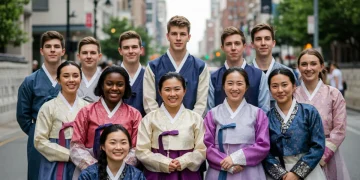
Korean Influence in American Lifestyle Trends: K-Drama Impact Since 2024
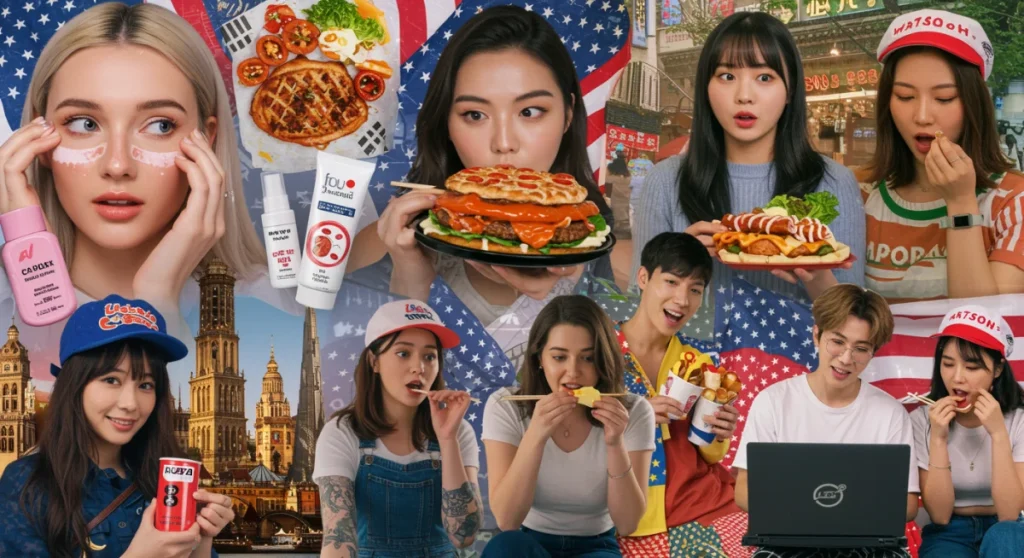
The pervasive influence of K-dramas has significantly shaped Korean influence American lifestyle trends since 2024, manifesting in widespread adoption of Korean beauty, fashion, culinary, and entertainment practices across the United States.
The global phenomenon of K-dramas has transcended entertainment, becoming a powerful conduit for cultural exchange. Since 2024, the United States has witnessed an undeniable surge in Korean influence American lifestyle trends, driven largely by the captivating narratives and aesthetic appeal of these Korean television series. This article delves into seven prominent instances where K-dramas have reshaped American daily life, demonstrating a profound and ongoing cultural impact.
The rise of K-beauty routines and product adoption
K-beauty, short for Korean beauty, has long been a niche interest, but since 2024, its presence in the American mainstream has exploded, largely thanks to K-dramas. Characters with flawless, glowing skin have inspired millions to adopt multi-step skincare routines and seek out innovative Korean products. This trend goes beyond simple product use; it’s about embracing a philosophy of skin health and self-care.
American consumers are now actively seeking out specific K-beauty brands and ingredients highlighted in or associated with K-dramas. The emphasis on hydration, sun protection, and a layered approach to skincare resonates deeply with those looking for effective and preventive beauty solutions.
Key K-beauty trends influencing American consumers
- Glass skin obsession: The pursuit of a luminous, poreless complexion, often achieved through extensive hydration and brightening products.
- Sheet mask popularity: Once a novelty, sheet masks are now a staple in many American skincare routines for quick boosts of moisture and targeted treatments.
- Double cleansing method: The two-step process of using an oil-based cleanser followed by a water-based one has become widely adopted for thorough makeup removal and skin purification.
- Snail mucin and cica: Ingredients previously unfamiliar to most American consumers are now sought after for their reparative and soothing properties.
The visual appeal of K-drama actors’ complexions, often achieved through meticulous skincare, has served as a powerful advertisement for these products and routines. Social media, fueled by K-drama fan communities, further amplifies these trends, creating a self-sustaining cycle of discovery and adoption. This shift marks a significant move towards a more holistic and preventive approach to beauty in the US.
Korean fashion’s influence on American street style
Beyond skincare, K-dramas have become influential fashion showcases, dictating trends that seamlessly integrate into American street style. The sophisticated yet approachable fashion worn by K-drama characters, from chic office wear to casual ensembles, offers a fresh perspective that resonates with American audiences seeking both comfort and elegance.
What makes Korean fashion so appealing is its blend of classic silhouettes with modern twists, often incorporating oversized fits, pastel palettes, and unique layering techniques. This aesthetic offers a refreshing alternative to traditional Western fashion, providing inspiration for everyday outfits and special occasions alike.
Emerging Korean fashion staples in the US
- Oversized blazers and shirts: A comfortable yet polished look often seen in K-dramas, now a common sight in American casual and semi-formal wear.
- Matching sets: Coordinated tops and bottoms, offering an effortlessly put-together appearance, gained traction through K-drama styling.
- Minimalist accessories: Delicate jewelry, structured bags, and subtle hair accessories that complement rather than overpower an outfit.
- Athleisure with a twist: Combining sporty elements with everyday fashion, often featuring sleek tracksuits or stylish sneakers paired with more formal pieces.
Fashion bloggers and influencers, many of whom are also K-drama enthusiasts, play a crucial role in disseminating these trends. They analyze character wardrobes, suggest similar items, and demonstrate how to incorporate Korean fashion elements into an American context. This dynamic has led to a noticeable evolution in American street style, embracing a more curated and thoughtful approach to dressing.
Culinary exploration: Korean food goes mainstream
The delectable food scenes in K-dramas have always been a highlight, showcasing vibrant dishes that are as appealing to the eye as they are to the palate. Since 2024, this visual feast has translated into a tangible increase in the popularity and accessibility of Korean cuisine in the United States. Americans are no longer just watching characters enjoy kimchi jjigae or tteokbokki; they are actively seeking out these dishes in restaurants and attempting to recreate them at home.
The allure of Korean food stems from its unique flavor profiles—a balance of spicy, savory, sweet, and umami. K-dramas often depict communal eating, emphasizing the social aspect of food, which further draws viewers into the experience, making them eager to try these dishes for themselves.
Popular Korean dishes embraced by Americans
- Korean BBQ: A communal dining experience that has become a favorite, with restaurants offering a variety of marinated meats and banchan (side dishes).
- Kimchi: The fermented cabbage staple is now a common ingredient in American kitchens, used in everything from stews to sandwiches.
- Tteokbokki (spicy rice cakes): A popular street food, its chewy texture and fiery sauce have captivated many American palates.
- Bibimbap: A colorful and healthy rice bowl with various toppings, offering a customizable and balanced meal option.
Supermarkets are responding to this demand by stocking more Korean ingredients, and Korean restaurants are flourishing across the country, moving beyond traditional enclaves. Online cooking tutorials, often inspired by K-drama food scenes, empower home cooks to experiment with Korean flavors, further embedding this cuisine into the American gastronomic landscape. This culinary exchange enriches the American food scene, offering diverse and exciting new options.
The rise of Korean language learning
A surprising yet significant impact of K-dramas since 2024 has been the substantial increase in Americans learning Korean. What started as a desire to understand dialogue without subtitles has evolved into a genuine interest in the language and the culture it represents. This linguistic curiosity is a direct testament to the immersive power of K-dramas.
For many fans, learning Korean is not just about appreciating their favorite shows more deeply; it’s a way to connect with the culture, understand nuances, and even aspire to visit Korea. Online platforms, language apps, and university courses have seen a noticeable uptick in enrollment, indicating a sustained and growing interest in the Korean language.
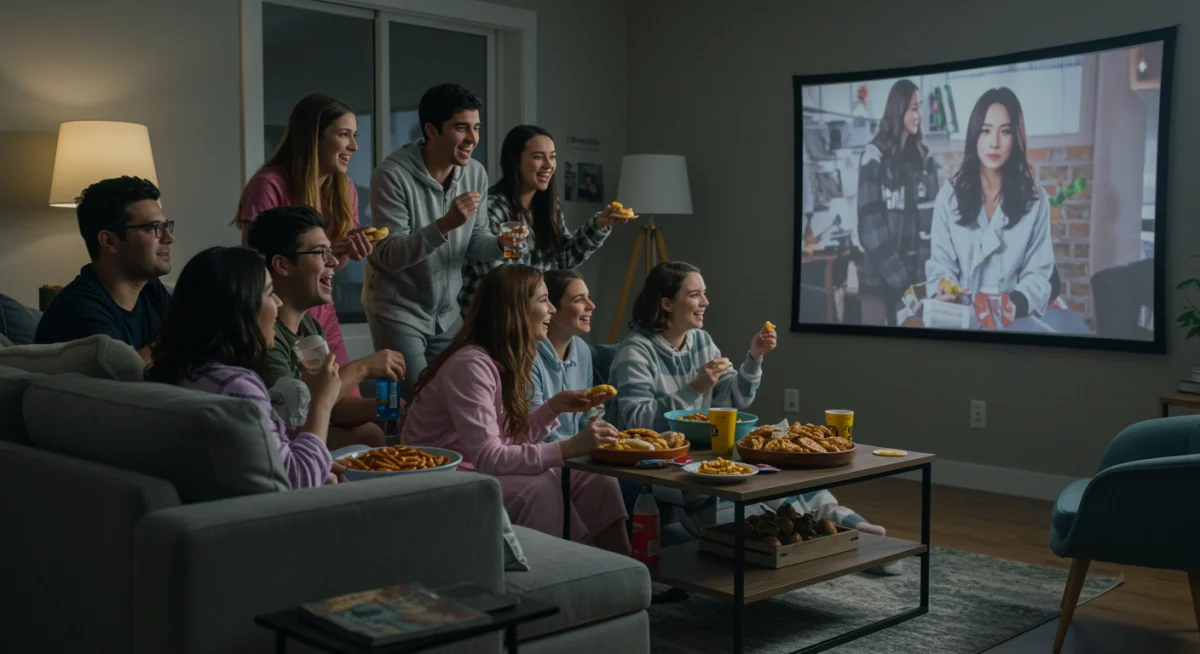
The accessibility of learning resources, coupled with the motivation provided by K-dramas, makes language acquisition an achievable goal for many. This trend signifies a deeper engagement with Korean culture beyond superficial consumption, fostering cross-cultural understanding and communication.
K-drama-inspired travel and tourism to South Korea
The picturesque landscapes, bustling cityscapes, and charming local spots featured in K-dramas have ignited a strong desire among American viewers to visit South Korea. Since 2024, travel agencies and tourism boards have reported a significant increase in inquiries and bookings from Americans specifically interested in K-drama-themed tours and destinations.
Fans are eager to visit filming locations, experience the atmosphere of popular K-drama settings, and immerse themselves in the culture they’ve come to love through their screens. This phenomenon highlights how entertainment can directly influence travel choices, turning fictional worlds into real-life travel aspirations.
Popular K-drama inspired travel destinations
- Namsan Tower, Seoul: Famous for its love locks, a romantic spot featured in countless K-dramas.
- Jeju Island: Known for its stunning natural beauty, often serving as a backdrop for romantic getaways and dramatic scenes.
- Bukchon Hanok Village, Seoul: A traditional Korean village offering a glimpse into historical architecture, frequently used for period dramas.
- Gangwon Province: Home to beautiful mountains and beaches, often featured in K-dramas for its scenic beauty and outdoor activities.
This surge in K-drama tourism not only benefits South Korea’s economy but also fosters a deeper appreciation for its diverse regions and cultural heritage among American travelers. It represents a tangible way in which K-dramas are bridging geographical and cultural divides, encouraging global exploration.
Mental health discourse and K-drama’s role
K-dramas often delve into complex themes, including mental health, in a nuanced and empathetic manner. Since 2024, the open portrayal of anxiety, depression, trauma, and societal pressures in these shows has contributed to a more open discourse around mental well-being in American society. This shift is particularly impactful in a culture where discussions about mental health can still carry stigma.
By normalizing characters seeking therapy, struggling with mental illness, or supporting friends through difficult times, K-dramas provide relatable scenarios that resonate with American viewers. This exposure helps to destigmatize mental health issues, encouraging conversations and fostering empathy.
The emotional depth and character development in K-dramas allow audiences to connect with struggles that might mirror their own, prompting self-reflection and a greater understanding of mental health challenges. This cultural exchange contributes to a more compassionate and understanding approach to mental well-being across borders.
The impact on American entertainment production
The success of K-dramas in the American market has not gone unnoticed by Hollywood and the broader American entertainment industry. Since 2024, there’s been a noticeable trend of American production companies and streaming platforms looking to emulate the K-drama formula, adapt successful Korean IPs, or collaborate with Korean creators. This influence goes beyond mere imitation; it’s about learning from K-dramas’ storytelling techniques, production values, and character development.
American shows are increasingly incorporating elements seen in K-dramas, such as intricate plot twists, strong character arcs, and a focus on emotional depth alongside compelling narratives. The willingness to explore diverse genres, from romantic comedies to psychological thrillers, with high production quality, has set a new benchmark.
This cross-pollination of ideas and creative approaches enriches the global entertainment landscape, leading to more diverse and innovative content for audiences worldwide. K-dramas are not just passive entertainment; they are actively shaping the future of storytelling in the American context.
| Key Trend | Brief Description |
|---|---|
| K-Beauty Routines | Multi-step skincare and product adoption for ‘glass skin’ effect. |
| Korean Fashion | Oversized fits, minimalist accessories, and chic layering in street style. |
| Culinary Exploration | Increased popularity of Korean BBQ, kimchi, tteokbokki, and bibimbap. |
| Language Learning | Significant rise in Americans studying Korean, driven by K-drama immersion. |
Frequently asked questions about Korean cultural influence
K-dramas have shifted American beauty standards by promoting a focus on healthy, radiant skin over heavy makeup. The ‘glass skin’ trend, emphasizing hydration and a multi-step routine, has become highly desirable, inspiring many Americans to adopt Korean skincare philosophies and products for a natural, luminous look.
American street style has absorbed several Korean fashion elements, including oversized blazers, comfortable yet chic matching sets, and minimalist accessories. There’s also a growing appreciation for athleisure looks that blend sporty items with everyday wear, reflecting the practical and trendy aesthetics seen in K-dramas.
Korean cuisine’s popularity in the US stems from its unique blend of flavors—spicy, savory, sweet, and umami—and its vibrant presentation in K-dramas. Dishes like Korean BBQ, kimchi, and tteokbokki offer exciting new culinary experiences, often emphasizing communal dining, which appeals to American food enthusiasts.
While K-dramas initially spark curiosity, Americans learning Korean often do so for a combination of reasons. Many aim to understand shows without subtitles, but this quickly evolves into a desire for deeper cultural immersion, to connect with Korean heritage, and for some, to facilitate future travel to South Korea.
K-dramas normalize mental health struggles by portraying characters openly dealing with anxiety, depression, and trauma. This empathetic representation helps destigmatize these issues, encouraging American viewers to engage in more open conversations about mental well-being and seek support, fostering a more understanding environment.
Conclusion
The undeniable surge of Korean influence American lifestyle trends since 2024, largely propelled by the captivating world of K-dramas, signifies a profound and dynamic cultural exchange. From the meticulous routines of K-beauty to the vibrant flavors of Korean cuisine, the nuanced expressions of fashion, and even the growing interest in language learning and mental health discourse, K-dramas have become more than just entertainment. They serve as powerful cultural ambassadors, fostering a deeper understanding and appreciation for Korean traditions and contemporary life among American audiences. This ongoing cultural dialogue enriches both societies, demonstrating the transformative power of storytelling across borders.