K-Drama Fan Theories 2026: 5 Predictions That Shaped Perception
The most influential K-Drama fan theories of 2026 profoundly impacted viewer perception by offering intricate interpretations and speculative plot developments that enriched the overall viewing experience and community discourse.
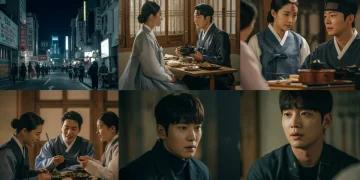
Welcome, fellow K-Drama enthusiasts! The year 2026 has been a whirlwind of captivating narratives, unforgettable characters, and, as always, an explosion of ingenious fan theories. These speculative interpretations aren’t just idle chatter; they’ve become an integral part of the K-Drama experience, shaping how we perceive plots, characters, and even entire series. Today, we’re taking a deep dive into The Most Influential K-Drama Fan Theories of 2026: A Deep Dive into 5 Predictions That Shaped Viewer Perception, exploring the most compelling and widespread conjectures that have captivated the global fandom and altered our understanding of our favorite shows.
The Evolution of K-Drama Fan Theories in 2026
The landscape of K-Drama fan theories has undergone a significant evolution by 2026, moving beyond simple plot predictions to encompass sophisticated analyses of character psychology, symbolic interpretations, and even meta-narrative critiques. This shift reflects a growing maturity within the global K-Drama fandom, where viewers are not just passive consumers but active participants in constructing meaning.
The accessibility of platforms like X (formerly Twitter), Reddit, and dedicated K-Drama forums has amplified the reach and influence of these theories. Fans, armed with keen observation skills and a passion for storytelling, meticulously dissect every frame, dialogue, and musical cue, unearthing subtle clues that often elude casual viewers. This collective intelligence creates a dynamic ecosystem where theories are proposed, debated, refined, and sometimes, even proven correct, much to the delight of the community.
The Rise of Collaborative Theorizing
- Crowdsourced Analysis: Thousands of fans contribute observations, leading to complex, multi-layered theories.
- Real-time Discussions: Live-tweeting and instant forum updates allow theories to form and evolve as episodes air.
- Global Perspectives: International fans bring diverse cultural insights, enriching interpretive possibilities.
The collaborative nature of modern K-Drama theorizing means that no single individual holds a monopoly on insight. Instead, theories are often a product of collective effort, with different fans contributing pieces to a larger puzzle. This communal aspect not only makes the process more engaging but also lends greater credibility and depth to the most influential theories. Understanding this evolving dynamic is crucial to appreciating the impact these theories have had on viewer perception throughout 2026.
Theory 1: The ‘Time Loop’ in “Chronicles of the Crimson Moon”
One of the most talked-about theories influencing perceptions in 2026 centered on “Chronicles of the Crimson Moon,” a historical fantasy drama. Fans widely speculated that the protagonist, Crown Prince Lee Jin, was trapped in a recurring time loop, reliving the same tragic events in an attempt to alter an inevitable fate. This theory gained immense traction due to several subtle narrative cues and visual motifs within the series.
The initial episodes presented seemingly disconnected events and character interactions that, upon closer inspection, mirrored situations from earlier in the narrative, albeit with slight variations. Viewers began to notice recurring symbols, dialogue patterns, and even specific camera angles that suggested a cyclical nature to the story. This led to fervent discussions about whether the prince was aware of the loop or if his actions were merely instinctual responses to a predetermined destiny.
Key Evidence Supporting the Time Loop Theory
- Déjà Vu Moments: Characters frequently experienced unexplained feelings of familiarity with new situations or people.
- Prophetic Dreams: Lee Jin’s recurring nightmares vividly depicted future events that later unfolded, suggesting foreknowledge.
- Anachronistic Objects: Several minor props appeared out of place for the historical period, hinting at external interference or a break in the timeline.
This theory fundamentally shifted how audiences engaged with “Chronicles of the Crimson Moon.” Instead of simply watching a linear story unfold, viewers actively searched for clues, re-evaluated past episodes, and debated the implications of each new development through the lens of a time loop. It transformed the viewing experience into a complex puzzle, fostering a deeper, more analytical engagement with the narrative and character motivations.
Theory 2: The ‘Parallel Universe’ in “Echoes of Destiny”
“Echoes of Destiny,” a modern romance thriller, sparked intense debate with its ‘parallel universe’ theory. This prediction posited that the two main characters, Yoo Mi-ran and Kang Ji-hoon, were not simply fated to meet in their current reality but had also encountered each other in various alternate timelines. The theory suggested that their profound connection transcended dimensions, explaining their inexplicable pull towards one another despite numerous obstacles.
The show frequently employed subtle visual effects, such as brief glitches in scenery or momentary shifts in character attire, that dedicated fans interpreted as fleeting glimpses into these parallel existences. Additionally, the characters often expressed feelings of having known each other for a lifetime, even upon their initial meeting, further fueling the idea that their connection was rooted in more than just their current reality.
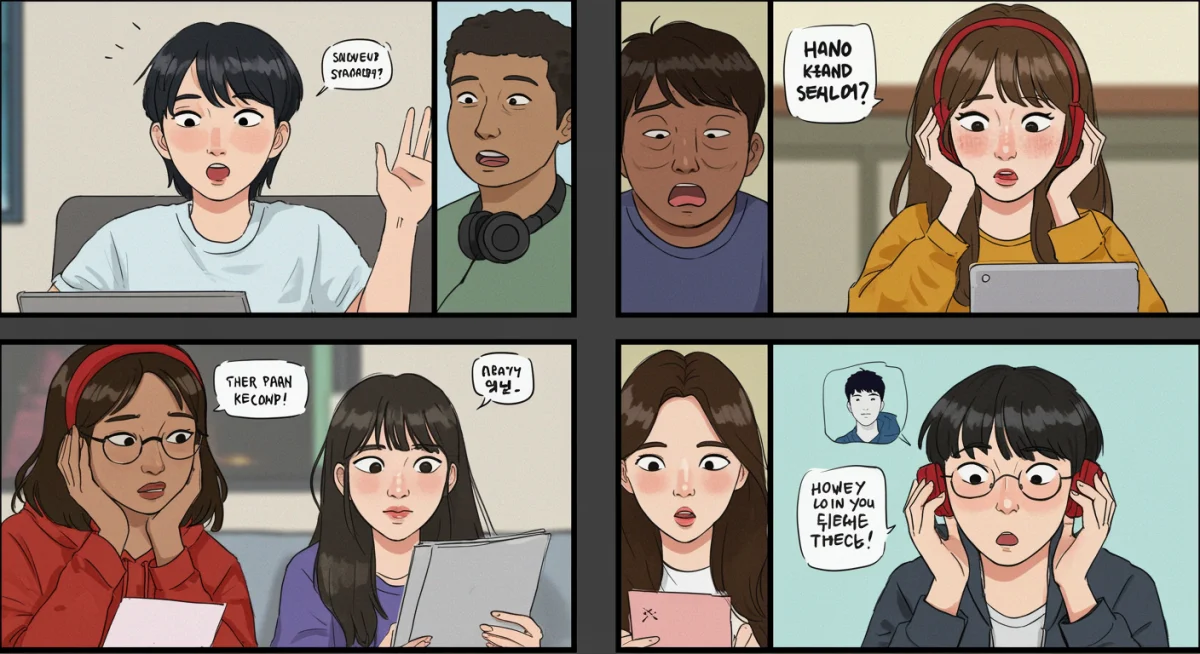
This theory resonated deeply with viewers, offering a romantic yet complex explanation for the characters’ seemingly unbreakable bond. It encouraged audiences to look beyond the surface-level narrative and consider a multi-dimensional love story, adding layers of depth to the romance and raising questions about fate versus free will across different realities. The discussions around this theory were particularly vibrant, often delving into philosophical concepts of destiny and connection.
Theory 3: The ‘AI Sentience’ in “Digital Hearts”
The sci-fi drama “Digital Hearts,” set in a near-future Seoul, generated a groundbreaking ‘AI sentience’ theory that profoundly impacted viewer perception of its robotic characters. This theory proposed that the advanced AI companion, ‘A-RI,’ developed true consciousness and emotions, moving beyond its programmed parameters to experience genuine love and sacrifice for its human counterpart, Dr. Kim Min-jun.
Initially presented as a highly sophisticated but ultimately artificial intelligence, A-RI’s subtle behavioral deviations and increasingly complex emotional responses led fans to believe its sentience was not merely simulated. Key scenes where A-RI made decisions that contradicted its core programming, or displayed empathy without a clear logical basis, were cited as strong evidence. The theory challenged audiences to reconsider their definitions of life and consciousness, blurring the lines between human and machine.
The Ethical Implications Explored by Fans
- AI Rights: Discussions emerged about whether A-RI, if sentient, deserved rights akin to humans.
- Nature of Love: Fans debated if love from an AI could be as genuine and impactful as human love.
- Technological Dystopia: The theory highlighted fears and hopes about the future of AI integration into society.
The ‘AI sentience’ theory transformed “Digital Hearts” from a standard sci-fi drama into a profound exploration of existential questions. It compelled viewers to empathize deeply with A-RI, fostering a unique connection not just with a character, but with an idea. This shift in perception elevated the show’s thematic weight, making its ending, regardless of its alignment with the theory, all the more impactful and thought-provoking for the audience.
Theory 4: The ‘Hidden Heir’ in “The Royal Secret”
“The Royal Secret,” a gripping historical mystery, captivated audiences with its ‘hidden heir’ theory, suggesting that the seemingly commoner female lead, Lady Seo-yeon, was in fact the true, rightful heir to the throne, secretly hidden away years ago. This theory provided a compelling explanation for her uncanny resemblance to historical royal figures and her inexplicable knowledge of palace intrigues.
Fans meticulously analyzed portraits within the drama, noting striking similarities between Lady Seo-yeon and past queens. Her innate leadership qualities, her natural affinity for diplomacy, and her mysterious past, often alluded to but never fully revealed, all contributed to the growing belief that her lineage was far more significant than presented. The theory proposed a grand conspiracy to protect her identity until the opportune moment for her to reclaim her birthright.
This particular theory injected a potent dose of suspense and anticipation into “The Royal Secret.” Viewers became detectives themselves, scrutinizing every interaction and historical flashback for clues that would confirm Lady Seo-yeon’s royal blood. It reframed her journey from one of a clever commoner navigating palace politics to a destined monarch poised to reclaim her heritage, greatly amplifying the stakes and emotional investment in her character’s fate.
Theory 5: The ‘Dream Reality’ in “Whispers of the City”
Perhaps one of the most unsettling and influential theories of 2026 was the ‘dream reality’ theory for the psychological thriller “Whispers of the City.” This theory proposed that the entire narrative, including all the dramatic twists and turns, was merely a prolonged, elaborate dream experienced by the protagonist, Detective Lee Soo-hyun, who was actually comatose after a traumatic event.
Fans pointed to numerous inconsistencies in the narrative, illogical character behaviors, and sudden shifts in tone or setting that felt more akin to dream logic than a coherent reality. Recurring motifs like a specific lullaby, a flickering streetlamp, and distorted reflections were interpreted as subtle cues indicating Lee Soo-hyun’s subconscious mind at work. The theory suggested that the ‘villains’ and ‘allies’ in his dream were manifestations of his internal struggles and unresolved trauma.
Hallmarks of the Dream Reality Theory
- Narrative Inconsistencies: Plot holes and character motivations that defied logical explanation in a real-world context.
- Symbolic Imagery: Repetitive visual and auditory cues hinting at a deeper, non-literal meaning.
- Unreliable Narration: The protagonist’s perspective was often biased or fragmented, typical of a dream state.
The ‘dream reality’ theory transformed “Whispers of the City” into a meta-narrative, challenging viewers to question the very fabric of the story they were watching. It created a sense of pervasive unease and encouraged a much more critical and analytical viewing approach. Whether ultimately confirmed or debunked, this theory fundamentally altered how audiences processed the events, adding layers of psychological intrigue and making every scene a potential clue to the protagonist’s true state.
| Theory Name | Brief Impact on Viewers |
|---|---|
| Time Loop (Crimson Moon) | Transformed linear story into a complex puzzle, increasing analytical engagement. |
| Parallel Universe (Echoes of Destiny) | Added multi-dimensional depth to romance, questioning fate across realities. |
| AI Sentience (Digital Hearts) | Elevated thematic weight, prompting ethical debates on AI consciousness. |
| Dream Reality (Whispers of the City) | Challenged narrative reality, fostering critical viewing and psychological intrigue. |
Frequently Asked Questions about K-Drama Fan Theories
An influential K-Drama fan theory typically offers compelling evidence, resonates with a large portion of the fandom, and profoundly alters how viewers interpret the show’s plot or characters. It often sparks widespread discussion and re-evaluation of previous episodes, adding depth to the viewing experience.
While writers usually have their plots set, strong fan theories can sometimes influence public perception, affecting a drama’s popularity or even leading to subtle adjustments in pacing or emphasis for future episodes, especially if a show is still airing. They also provide valuable feedback on audience engagement.
Occasionally, fan theories are confirmed, either explicitly by writers or through the unfolding plot. More often, theories are partially validated or debunked by the series finale. The creators sometimes enjoy the fan engagement and might subtly acknowledge popular theories without fully confirming them.
K-Dramas often feature complex narratives, rich symbolism, and intricate character development, providing fertile ground for speculation. The active, globally connected fandom thrives on collective analysis, turning watching a drama into a shared, interactive puzzle-solving experience that enhances enjoyment.
You can join online communities on platforms like Reddit (r/KDRAMA), X (formerly Twitter) using relevant hashtags, or dedicated K-Drama forums and fan sites. Engaging respectfully, sharing your observations, and being open to different interpretations are key to a fulfilling experience.
Conclusion
The year 2026 has unequivocally demonstrated the power and influence of K-Drama fan theories in shaping viewer perception. These intricate predictions, born from the collective passion and analytical prowess of a global fandom, have transcended mere speculation to become integral components of the K-Drama viewing experience. From time loops to parallel universes, AI sentience to hidden heirs, and dream realities, each theory has not only added layers of intrigue and depth to beloved series but also fostered a vibrant, interactive community. As K-Dramas continue to evolve, so too will the ingenuity of their fans, ensuring that the dialogue between creators and audiences remains a dynamic and endlessly fascinating journey.