K-Drama Actor’s Guide: U.S. Media Training for 2026
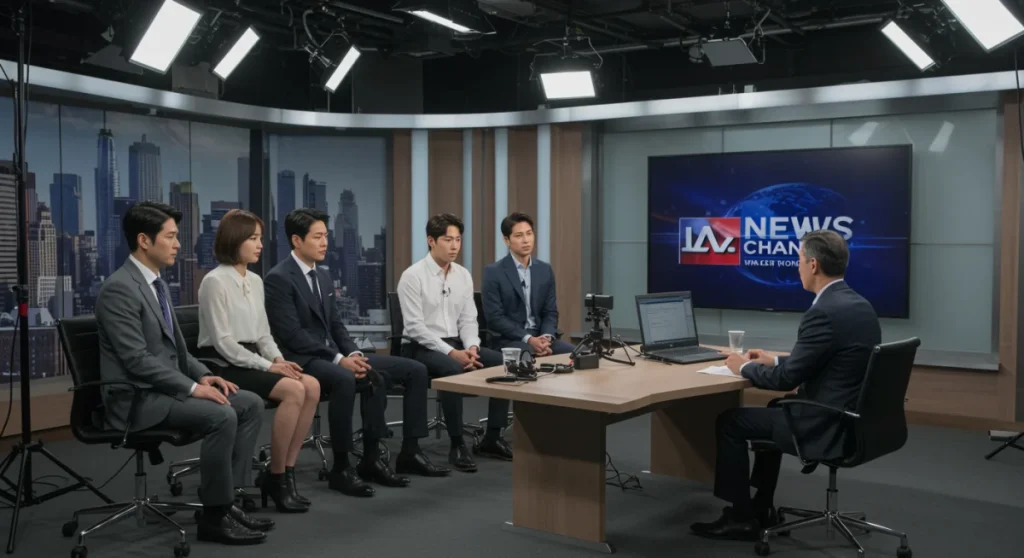
This guide outlines 7 essential steps for K-Drama U.S. Media Training, providing practical solutions for actors to successfully navigate cross-cultural appearances and enhance their global presence in 2026.
The global phenomenon of K-dramas has propelled many talented actors into international stardom. As these stars increasingly participate in U.S. media engagements, mastering effective communication becomes paramount. This guide provides a comprehensive look into The K-Drama Actor’s Guide to U.S. Media Training: 7 Essential Steps for Cross-Cultural Appearances in 2026 – PRACTICAL SOLUTIONS, ensuring they are well-prepared for the unique demands of the American media landscape.
Understanding the U.S. Media Landscape
Navigating the U.S. media landscape requires a nuanced understanding that extends beyond language proficiency. It involves grasping cultural expectations, interview styles, and audience perceptions unique to American viewers. This foundational step is crucial for K-drama actors aiming for successful cross-cultural appearances.
The American media often prioritizes directness, personal anecdotes, and a more informal, conversational style compared to some Asian media outlets. Actors need to be comfortable sharing aspects of their personality and experiences, while still maintaining a professional demeanor. This balance is key to connecting authentically with a U.S. audience.
Cultural Nuances in Communication
Recognizing and adapting to cultural communication differences is vital. What might be considered humble or polite in one culture could be perceived differently in another. Media training focuses on bridging these gaps.
- Direct vs. Indirect Communication: U.S. media typically favors direct answers.
- Personal Sharing: American audiences often appreciate a degree of personal sharing to feel connected.
- Humor and Irony: Understanding U.S. comedic timing and cultural references can enhance engagement.
Furthermore, familiarity with popular U.S. talk shows, news programs, and entertainment outlets provides valuable context. Observing how American celebrities engage with interviewers can offer insights into expected behaviors and conversational flows. This preparatory phase helps actors anticipate questions and formulate responses that resonate locally.
In essence, understanding the U.S. media landscape is about more than just speaking English; it’s about speaking the cultural language of American entertainment and news. This initial step sets the stage for all subsequent training, ensuring actors are not only heard but also understood and appreciated by a broader audience.
Mastering English Communication and Accent Neutralization
While many K-drama actors have a strong grasp of English, refining their communication skills for a U.S. audience is an essential step. This goes beyond basic fluency, focusing on clarity, intonation, and, where appropriate, accent neutralization or modification to enhance intelligibility and connection.
The goal isn’t to erase an actor’s unique accent entirely, but rather to ensure their speech is easily understood by a diverse American audience. This often involves working on specific vowel and consonant sounds, rhythm, and stress patterns that differ between Korean-accented English and standard American English.
Pronunciation and Intonation Drills
Dedicated practice with a speech coach can significantly improve spoken English. These sessions often involve targeted exercises.
- Vowel and Consonant Focus: Identifying and practicing sounds that are challenging.
- Rhythm and Stress: Learning the natural cadence and emphasis in American English.
- Pacing: Speaking at a comfortable speed, avoiding rushing or speaking too slowly.
Beyond pronunciation, effective communication involves conveying emotions and nuances through intonation. A flat delivery can sometimes be misinterpreted as disinterest or lack of confidence. Training helps actors use their voice to express enthusiasm, sincerity, and humor naturally.
Furthermore, building a robust English vocabulary relevant to interviews and public appearances is vital. This includes industry-specific terms, common idioms, and phrases that can make conversations more engaging and natural. Regular practice, immersion in English-language media, and consistent feedback are crucial components of this step.
Ultimately, mastering English communication and accent work empowers K-drama actors to express themselves confidently and clearly, fostering a stronger connection with their U.S. audience and minimizing potential misunderstandings during high-stakes media interactions.
Developing Authentic Brand Messaging
In the competitive entertainment industry, developing an authentic brand message is vital for K-drama actors seeking to resonate with U.S. audiences. This involves crafting a compelling narrative that highlights their unique personality, career aspirations, and values, while remaining true to who they are.
An authentic brand message isn’t just about what an actor says, but how they say it and how it aligns with their actions. It helps them stand out, create a memorable impression, and build a loyal fanbase that appreciates their genuine self.
Crafting Your Unique Narrative
Media training guides actors in identifying their core identity and translating it into concise, impactful messages.
- Personal Story: Identifying key life experiences and motivations that shape their journey.
- Career Aspirations: Articulating their professional goals and artistic vision.
- Values and Passions: Sharing what truly matters to them beyond acting.
This process also involves preparing key talking points that can be adapted for various interview scenarios, from lighthearted chat shows to more serious discussions about their craft. These talking points should be memorable, consistent, and reflect the actor’s authentic voice, allowing them to confidently address common questions while subtly reinforcing their brand.
Moreover, authenticity extends to non-verbal communication. Body language, facial expressions, and overall demeanor must align with the verbal message. Training helps actors ensure their physical presence reinforces their brand, presenting a cohesive and believable image to the audience.
By developing an authentic brand message, K-drama actors can transcend cultural barriers, forming deeper connections with U.S. fans who are drawn to their genuine personality and compelling story, rather than just their on-screen persona.
Mock Interviews and Q&A Practice
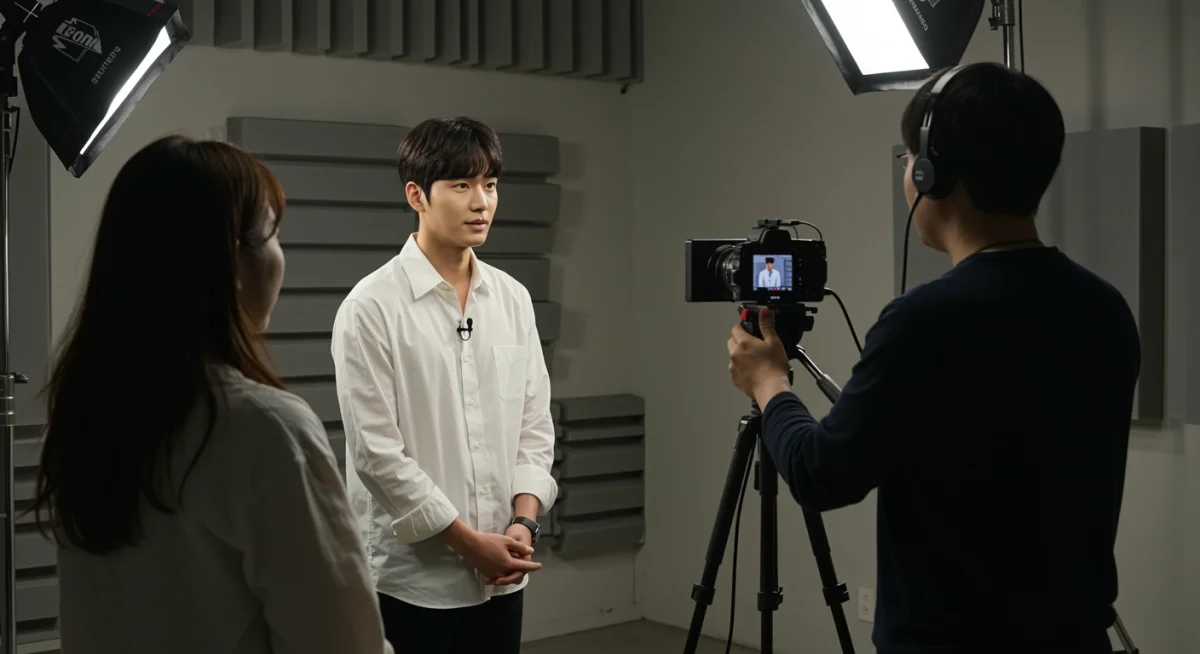
One of the most critical components of U.S. media training is extensive mock interview practice. This simulates real-world scenarios, allowing K-drama actors to refine their responses, manage their nerves, and receive constructive feedback in a safe, controlled environment.
Mock interviews expose actors to a wide range of questions, from biographical details and project specifics to more personal inquiries and hypothetical situations. This practice is invaluable for building confidence and developing quick, articulate responses under pressure, a common occurrence in fast-paced U.S. media settings.
Simulating Real Media Scenarios
These sessions are designed to replicate the intensity and unpredictability of actual interviews.
- Diverse Interviewers: Practicing with coaches who adopt different interviewer personas (e.g., friendly, challenging, entertainment-focused).
- Unexpected Questions: Learning to handle curveball questions gracefully and redirect to key messages.
- Time Constraints: Practicing concise answers for short segments and soundbites.
Video recording and immediate playback are integral to mock interview training. Actors can observe their own performance, identifying areas for improvement in body language, vocal delivery, and message clarity. A media coach provides detailed feedback on everything from eye contact and posture to word choice and interview flow.
Furthermore, Q&A practice extends to press conferences and fan events, where actors might face multiple questions simultaneously or have less control over the narrative. This prepares them to maintain composure and deliver consistent messaging, regardless of the format.
Through rigorous mock interviews and Q&A practice, K-drama actors develop the agility and resilience needed to excel in any U.S. media situation, transforming potential challenges into opportunities for impactful communication.
Body Language and Non-Verbal Cues
Beyond spoken words, body language and non-verbal cues play a significant role in how K-drama actors are perceived by U.S. audiences during media appearances. Understanding and mastering these subtle signals can enhance their message, convey confidence, and build rapport effectively.
Different cultures interpret body language in varying ways, and what might be considered polite or reserved in one context could be seen as detached or uncomfortable in another. Media training specifically addresses these cross-cultural differences to ensure an actor’s non-verbal communication aligns with U.S. expectations.
Projecting Confidence and Approachability
Training focuses on specific non-verbal elements that contribute to a positive impression.
- Eye Contact: Maintaining appropriate eye contact to show engagement and sincerity.
- Posture: Adopting an open, confident posture that conveys professionalism.
- Gestures: Using natural, expressive hand gestures to emphasize points without distraction.
Coaches guide actors on how to use facial expressions to convey emotions genuinely, from warmth and humor to seriousness and empathy. A genuine smile, for instance, can instantly make an actor more approachable and relatable to an American audience.
Moreover, managing nervous habits, such as fidgeting or avoiding eye contact, is a key aspect of this training. Actors learn techniques to channel their energy positively, ensuring their body language reinforces their verbal message rather than undermining it. This holistic approach to communication ensures that every aspect of an actor’s presence contributes to a compelling and trustworthy image.
By consciously honing their body language and non-verbal cues, K-drama actors can project confidence, warmth, and authenticity, creating a stronger, more profound connection with U.S. media and fans, which is essential for sustained success in the global spotlight.
Social Media and Digital Presence Management
In 2026, a strong and strategically managed social media and digital presence is indispensable for any public figure, especially K-drama actors expanding into the U.S. market. This step of media training focuses on leveraging digital platforms to control narratives, engage with fans, and align with their established brand.
Social media platforms are often the first point of contact for U.S. fans and media. A well-curated digital presence can amplify an actor’s reach, provide direct access to their personality, and offer a platform to share updates and insights in their own voice, bypassing traditional media gatekeepers.
Strategic Engagement and Content Creation
Training covers best practices for various platforms and content strategies.
- Platform-Specific Etiquette: Understanding the unique culture and audience expectations of platforms like Instagram, Twitter, and TikTok.
- Content Strategy: Developing a plan for what to share, including behind-the-scenes glimpses, personal thoughts, and promotional content.
- Fan Interaction: Learning how to engage with comments and messages authentically and safely.
Crucially, actors learn about crisis management within the digital sphere. This includes strategies for responding to negative comments, correcting misinformation, and maintaining a positive image even in challenging situations. The rapid nature of social media demands quick, thoughtful responses to protect one’s reputation.
Furthermore, understanding analytics and audience demographics can help actors tailor their content to resonate more effectively with their U.S. fanbase. This data-driven approach ensures that their digital efforts are not only visible but also impactful, contributing to their overall marketability and appeal.
Effective social media and digital presence management is not just about posting; it’s about building a digital ecosystem that supports an actor’s career goals, fosters genuine connections, and enhances their cross-cultural appeal in the dynamic U.S. entertainment landscape.
Crisis Communication and Reputation Management
For K-drama actors entering the U.S. media spotlight, preparing for potential crises and understanding reputation management is a non-negotiable step. In a world of instant news and viral content, even minor missteps can quickly escalate, making proactive training essential.
Crisis communication isn’t about avoiding mistakes, but about effectively managing them when they occur. It involves having a clear strategy, knowing who to consult, and understanding how to communicate transparently and responsibly to mitigate damage and protect one’s public image.
Developing a Proactive Strategy
Media training equips actors with the tools to navigate challenging situations.
- Anticipating Scenarios: Identifying potential risks and preparing responses for various hypothetical crises.
- Key Message Development: Crafting concise, empathetic, and factual statements for difficult situations.
- Designated Spokesperson: Understanding when and how to communicate directly, or when to rely on a trained representative.
This includes learning how to handle tough questions from journalists, manage public scrutiny, and deliver apologies or clarifications with sincerity. The ability to remain calm, composed, and articulate under pressure is paramount during a crisis.
Moreover, reputation management extends to ongoing efforts to maintain a positive public image, not just during crises. This involves consistent, authentic engagement, ethical conduct, and alignment with positive values. Building a strong, trustworthy reputation proactively makes it easier to weather any storms that may arise.
By undergoing comprehensive crisis communication and reputation management training, K-drama actors can face the U.S. media landscape with confidence, knowing they have the skills and strategies to protect their image and career, even when unforeseen challenges emerge.
| Key Step | Brief Description |
|---|---|
| U.S. Media Landscape | Understanding cultural norms, interview styles, and audience expectations unique to American media. |
| English Communication | Refining pronunciation, intonation, and accent for clarity and connection with U.S. audiences. |
| Authentic Branding | Crafting a unique, consistent narrative that highlights personality, aspirations, and values. |
| Mock Interviews | Practicing diverse interview scenarios to build confidence and refine articulate responses under pressure. |
Frequently Asked Questions About K-Drama U.S. Media Training
U.S. media training is crucial because the American media landscape has distinct cultural norms, interview styles, and audience expectations. It helps K-drama actors bridge communication gaps, adapt to a more direct approach, and connect authentically with U.S. viewers, ensuring their message is heard and understood effectively.
No, accent neutralization aims for clarity and intelligibility, not complete erasure. The goal is to modify specific sounds and intonation patterns to ensure that an actor’s English is easily understood by a diverse American audience, while still retaining their unique vocal identity and charm.
Social media management is a vital component as digital platforms are primary points of contact for U.S. fans and media. Training covers strategic content creation, platform-specific etiquette, and fan engagement, empowering actors to control their narrative and build a strong, authentic digital presence.
Body language training focuses on non-verbal cues specific to U.S. cultural expectations. This includes maintaining appropriate eye contact, adopting confident posture, using natural gestures, and conveying emotions through facial expressions. The aim is to ensure non-verbal communication reinforces the actor’s message and projects approachability.
Crisis communication is crucial for managing potential controversies or misunderstandings in the fast-paced U.S. media environment. Training prepares actors to respond effectively to challenging situations, protecting their public image and career by developing clear strategies for transparency, empathy, and responsible communication.
Conclusion
The journey of a K-drama actor into the U.S. media landscape is filled with immense opportunity, but also unique challenges. By diligently following these 7 essential steps for cross-cultural appearances in 2026, actors can transform potential hurdles into stepping stones for global success. From understanding the nuanced American media environment and refining English communication to developing authentic personal brands and mastering crisis management, each step is a practical solution designed to empower these stars. The investment in comprehensive media training ensures that K-drama actors not only captivate audiences with their performances but also connect meaningfully and authentically with U.S. fans and media, solidifying their status as true international icons.