Decoding K-Drama’s Influence: 5 Ways Korean Storytelling is Shaping American Youth Culture in 2026
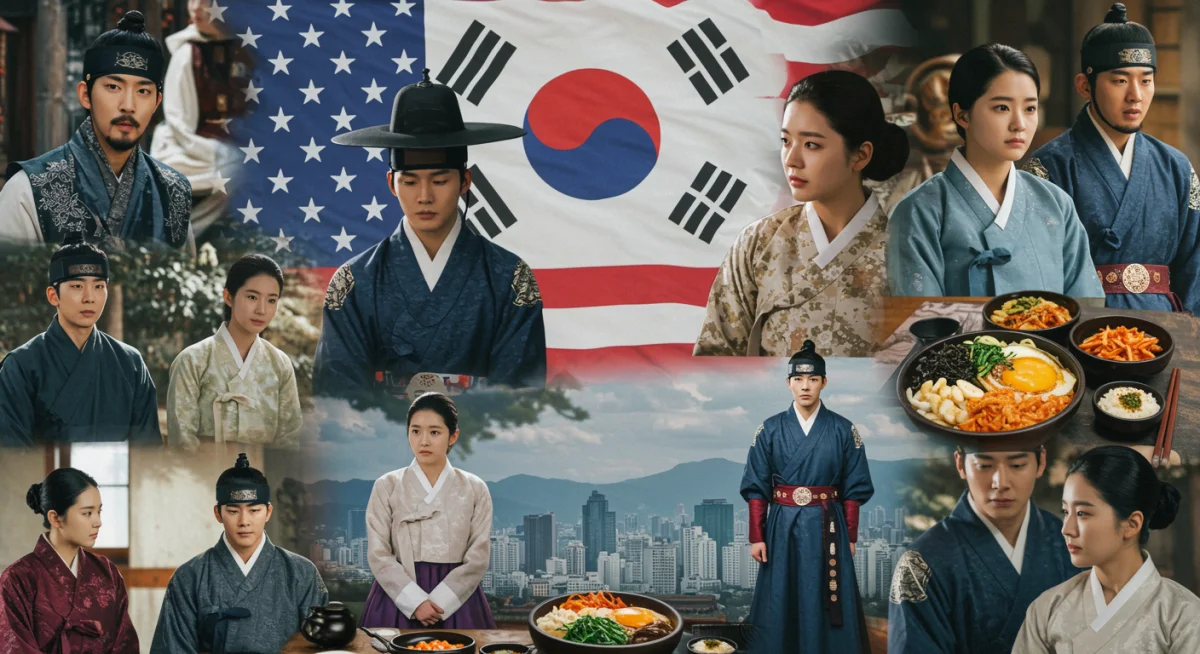
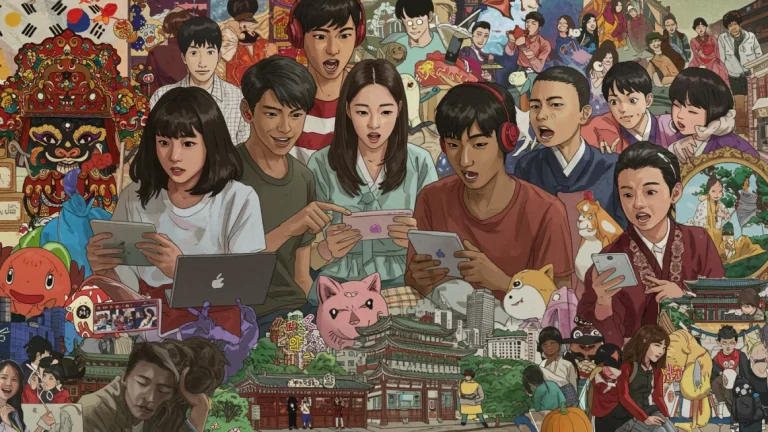
In the ever-evolving landscape of global entertainment, few phenomena have captured the hearts and minds of an entire generation quite like K-Dramas. What began as a niche interest has blossomed into a full-blown cultural juggernaut, profoundly impacting American youth culture in 2026. From the way they dress to the food they eat, the language they learn, and even their perspectives on social norms, the reach of Korean storytelling is undeniable. This article delves deep into five pivotal ways K-Drama is reshaping the lives and outlooks of young Americans, cementing its place as a significant cultural force.
The Unstoppable Rise of K-Drama: A Global Phenomenon
The Hallyu Wave, or Korean Wave, has been steadily building momentum for decades, but its impact on American shores, particularly among younger demographics, has accelerated dramatically in recent years. While K-Pop acts like BTS and BLACKPINK initially paved the way, K-Dramas have emerged as an equally powerful, if not more pervasive, cultural export. These meticulously crafted narratives, often characterized by compelling storylines, high production values, and charismatic actors, offer a refreshing alternative to mainstream Western entertainment. For American youth, K-Dramas provide a window into a different culture, presenting complex characters and relatable themes that resonate deeply, regardless of geographical or linguistic barriers.
The accessibility of streaming platforms has played a crucial role in this widespread adoption. Services like Netflix, Viki, and Hulu have made a vast library of K-Dramas readily available, often with high-quality subtitles, breaking down the initial hurdle of language. This ease of access, combined with social media platforms like TikTok and Instagram where fans actively share recommendations, memes, and fan theories, has created a vibrant and interconnected community of K-Drama enthusiasts across the United States. This digital ecosystem fosters a sense of belonging and collective experience, further solidifying the influence of K-Drama on American youth.
As we navigate 2026, it’s clear that K-Drama’s influence is not a fleeting trend but a deeply embedded aspect of contemporary youth culture. Its ability to transcend cultural boundaries and connect with audiences on an emotional level is a testament to the universal power of good storytelling. The narratives often explore universal themes of love, friendship, family, ambition, and societal pressures, albeit through a distinctly Korean lens. This blend of familiarity and novelty is precisely what makes K-Drama so captivating to a generation constantly seeking new and authentic experiences.
1. Fashion and Beauty Trends: A Stylistic Revolution Inspired by K-Drama American Youth
One of the most visible and immediate impacts of K-Drama on American youth is the dramatic shift in fashion and beauty trends. Korean dramas are renowned for their impeccable styling, showcasing characters in outfits that are both chic and aspirational. This has led to a significant uptake of Korean fashion aesthetics among young Americans, moving beyond mere imitation to genuine integration into personal style.
The ‘K-Fashion’ Aesthetic
The ‘K-Fashion’ aesthetic, heavily influenced by K-Dramas, often features oversized silhouettes, pastel color palettes, sophisticated layering, and a blend of casual comfort with polished elegance. Think trench coats, wide-leg trousers, chunky knitwear, and carefully coordinated accessories. Characters in K-Dramas are often seen wearing designer brands alongside more accessible pieces, blurring the lines between high fashion and everyday wear, making these styles attainable and inspiring for young audiences. Social media platforms are awash with ‘K-Drama inspired outfits’ challenges and tutorials, demonstrating the widespread adoption of these looks.
Skincare and Makeup Innovations
Beyond clothing, the Korean beauty industry, or K-Beauty, has seen an explosion in popularity, largely propelled by the flawless complexions and natural-looking makeup sported by K-Drama actors and actresses. American youth are increasingly adopting multi-step Korean skincare routines, seeking the coveted ‘glass skin’ effect. Products like essences, ampoules, sheet masks, and sunscreens (which were less emphasized in Western beauty routines previously) have become staples in their daily regimens. Makeup trends from K-Dramas, such as gradient lips, subtle eyeliner, and natural brows, are also widely emulated, moving away from heavier, more dramatic Western makeup styles.
The influence extends to hair trends as well, with styles like ‘curtain bangs,’ soft waves, and various hair colors seen on K-Drama stars becoming popular choices. This holistic approach to personal grooming, encompassing fashion, skincare, makeup, and hair, demonstrates the comprehensive influence of K-Drama on the aesthetic choices of American youth. It’s not just about looking good; it’s about adopting a lifestyle that prioritizes self-care and a refined, yet approachable, appearance.
2. Shifting Social Norms and Relationship Dynamics
K-Dramas offer a unique lens through which American youth are beginning to re-evaluate and redefine social norms, particularly concerning relationships, family dynamics, and societal expectations. The narratives often present a stark contrast to Western storytelling, showcasing different cultural values that resonate with a generation seeking authenticity and nuanced perspectives.
Redefining Romance and Relationships
One of the most significant impacts is on the perception of romance. K-Drama relationships often emphasize slow-burn development, mutual respect, subtle gestures, and deep emotional connection over overt physicality. This portrayal of idealized, wholesome romance, often devoid of immediate sexualization, offers a refreshing alternative to the more explicit depictions prevalent in Western media. Young Americans are drawn to the purity and emotional depth of these relationships, leading to a re-evaluation of their own expectations in dating. The ‘oppa’ phenomenon, while rooted in Korean culture, has also introduced a different dynamic of admiration and respect for male figures.
Family Values and Intergenerational Respect
K-Dramas frequently highlight the importance of family, intergenerational respect, and community bonds. While American youth culture often emphasizes individualism, K-Dramas present compelling narratives where family loyalty, filial piety, and collective well-being are paramount. This exposure can prompt young viewers to reflect on their own family relationships and the broader societal structures that support them. The portrayal of strong, albeit sometimes complicated, family units offers a different model for connection and support, influencing discussions around family values among peers.
Work Ethic and Societal Pressures
Many K-Dramas also explore themes of intense work ethic, academic pressure, and societal expectations, often reflecting the competitive nature of South Korean society. While these themes can be intense, they also offer a relatable portrayal of ambition and the struggles of young people trying to succeed. American youth, who often face similar pressures, find solidarity and understanding in these narratives, fostering discussions about mental health, work-life balance, and the pursuit of dreams in a demanding world. The challenges faced by K-Drama protagonists, from aspiring idols to struggling entrepreneurs, often mirror the anxieties and hopes of young Americans.

3. Language Learning and Cultural Appreciation
The allure of K-Dramas extends far beyond mere entertainment; it has become a powerful catalyst for language learning and a deeper appreciation of Korean culture among American youth. This engagement goes beyond passive consumption, fostering active participation and a desire for cultural immersion.
The Rise of Korean Language Study
Motivated by their favorite K-Dramas, an increasing number of American youth are taking up Korean language studies. Online platforms, apps like Duolingo, and even university courses have seen a surge in enrollment from individuals eager to understand dialogue without subtitles, sing along to K-Drama OSTs (Original Soundtracks), and connect more intimately with the culture. This desire to learn a new language is often fueled by the emotional connection forged with K-Drama characters and storylines, making the learning process more engaging and rewarding. The ability to grasp nuances in dialogue, understand cultural idioms, and appreciate the original performances adds another layer to their viewing experience.
Exploring Korean Cuisine and Traditions
K-Dramas frequently feature mouth-watering scenes of characters enjoying traditional Korean dishes, from spicy tteokbokki to comforting kimchi jjigae and elaborate Korean BBQ. This visual feast has sparked a significant interest in Korean cuisine among American youth. Many are now actively seeking out Korean restaurants, attempting to cook Korean dishes at home, and exploring the diverse flavors of Korean food. This culinary exploration is often accompanied by an interest in the customs and etiquette surrounding food, such as sharing dishes and the significance of various ingredients.
Beyond food, K-Dramas also subtly introduce viewers to various aspects of Korean traditions, history, and societal customs. Whether it’s glimpses of traditional hanbok, discussions of historical events, or the portrayal of specific social rituals, these elements contribute to a broader cultural understanding. This exposure fosters a more nuanced appreciation for Korean heritage, moving beyond superficial stereotypes and encouraging a more informed perspective on a rich and complex culture. The narratives often weave in historical events or traditional folklore, sparking curiosity and encouraging further research into Korean history.4. Mental Health and Emotional Resonance
While often seen as lighthearted entertainment, K-Dramas frequently delve into complex themes of mental health, trauma, and emotional resilience with a sensitivity that resonates deeply with American youth. This nuanced approach to storytelling offers a space for viewers to explore their own emotions and experiences.
Normalizing Mental Health Discussions
Many K-Dramas courageously tackle topics such as depression, anxiety, social phobias, and the pressures of modern life. Characters often grapple with these issues, seek professional help, and find solace in supportive relationships. This portrayal helps to destigmatize mental health discussions, making it easier for young American viewers to acknowledge similar struggles in their own lives and seek help. The storylines often emphasize the journey of healing and self-discovery, providing hope and a sense of shared experience. The emphasis on emotional well-being and seeking support from friends, family, or professionals offers a positive model for addressing mental health challenges.
Empathy and Emotional Intelligence
The emotional depth of K-Dramas is a significant draw. The narratives are often rich with intricate character development, allowing viewers to deeply empathize with protagonists and antagonists alike. This immersion in diverse emotional landscapes can foster greater emotional intelligence among young audiences, helping them to understand and process a wider range of human feelings. The emphasis on non-verbal cues, subtle expressions, and heartfelt dialogue encourages viewers to pay close attention to emotional nuances, enhancing their ability to understand and respond to the feelings of others.
Furthermore, K-Dramas often explore themes of resilience, perseverance, and overcoming adversity. Characters face significant challenges, from personal tragedies to professional setbacks, and their journeys of growth and recovery provide powerful lessons in fortitude. For American youth navigating their own pressures, these stories can be incredibly inspiring, offering models of strength and determination. The emotional arcs of K-Drama characters, often filled with both heartbreak and triumph, provide a cathartic experience for viewers, reinforcing the idea that vulnerability and strength can coexist.

5. Inspiring Creativity and Fan Engagement
The dynamic and immersive nature of K-Dramas has not only captivated American youth but has also actively inspired their creativity and fostered an unprecedented level of fan engagement. This goes beyond passive viewing, turning audiences into active participants in the K-Drama universe.
Fan Art, Fan Fiction, and Content Creation
The rich narratives and compelling characters of K-Dramas serve as a wellspring of inspiration for creative expression. American youth are actively engaging in various forms of fan creation, including fan art, fan fiction, and elaborate video edits. Platforms like Wattpad, Archive of Our Own, and YouTube are brimming with content generated by K-Drama fans, showcasing their artistic talents and imaginative interpretations of beloved stories. This creative outlet allows them to extend the narratives, explore alternative plotlines, and delve deeper into character psyches, demonstrating a profound connection to the material.
Online Communities and Social Media Buzz
The K-Drama fandom is a highly organized and passionate community, largely thriving on social media. American youth actively participate in online forums, Reddit threads, Discord servers, and TikTok communities dedicated to discussing their favorite shows, theories, and actors. This creates a strong sense of belonging and camaraderie, connecting individuals with shared interests across geographical boundaries. These communities often organize watch parties, live tweet events, and even fan projects, showcasing the collective power of K-Drama American Youth. The instantaneous nature of social media allows for real-time reactions and discussions, amplifying the viewing experience.
Impact on Aspirations and Career Choices
Beyond creative hobbies, the exposure to K-Dramas can also influence the aspirations and career choices of American youth. The high production quality and innovative storytelling techniques might inspire some to pursue careers in filmmaking, screenwriting, or media production. The success of Korean actors and directors on the global stage can serve as a powerful motivator, encouraging young Americans to explore diverse career paths in the creative industries. Furthermore, the business acumen and global reach of the Hallyu Wave itself might inspire interest in international business, marketing, or cultural exchange programs.
The Future of K-Drama American Youth Influence
As we look ahead, the influence of K-Drama on American youth shows no signs of waning. The continuous production of high-quality, diverse content ensures a steady stream of new narratives to captivate audiences. The industry’s adaptability and willingness to experiment with genres, from historical epics to sci-fi thrillers and heartwarming slice-of-life dramas, means there’s always something new to discover. This constant innovation keeps the K-Drama phenomenon fresh and relevant for a generation that values novelty and variety.
Moreover, the increasing globalization of media means that cultural exchange will only intensify. K-Dramas are not just being watched; they are being discussed, analyzed, and integrated into the fabric of daily life. The cross-cultural dialogues sparked by these shows contribute to a more interconnected and understanding global youth. American youth, growing up with this rich exposure to Korean culture, are likely to develop a more open-minded and global perspective, challenging traditional notions of entertainment and cultural dominance.
The impact of K-Drama extends beyond mere entertainment; it is shaping identities, influencing consumer choices, fostering new skills, and broadening worldviews. For American youth in 2026, K-Dramas are more than just television shows; they are cultural touchstones that inform their understanding of the world, their relationships, and themselves. The enduring appeal lies in their ability to tell universal stories with a distinct cultural flavor, proving that emotional connection transcends borders and languages, making K-Drama American Youth a powerful and lasting cultural force.
The continuous feedback loop between content creators and their global audience, facilitated by digital platforms, ensures that K-Dramas remain responsive to viewer preferences. This dynamic relationship further solidifies the genre’s longevity and its continued capacity to influence. As K-Drama continues to evolve, so too will its impact on American youth, leading to exciting new cultural syntheses and a more interconnected global society.