K-Drama’s 20% Surge: Reshaping American Beauty Standards by 2026
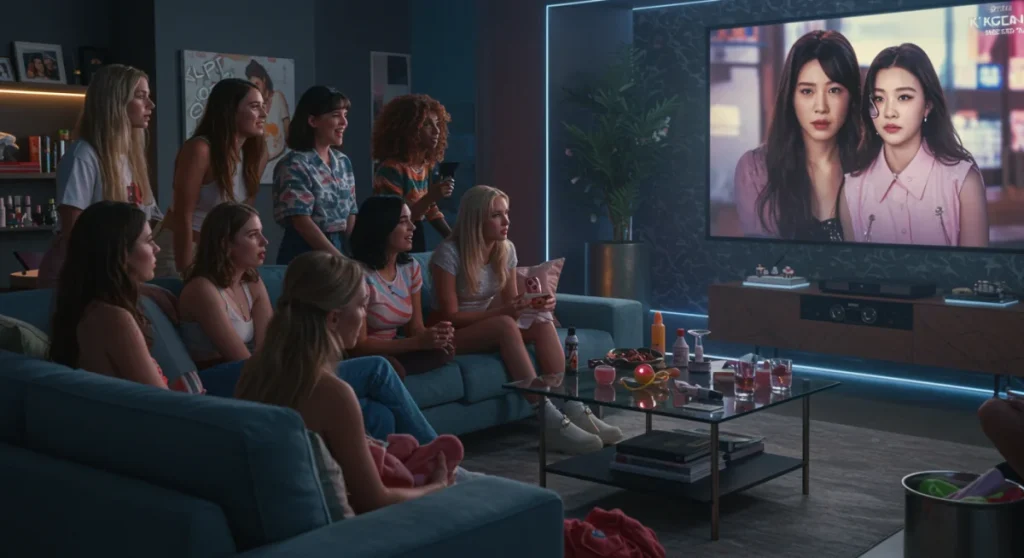
K-dramas are significantly reshaping American beauty standards, leading to a projected 20% surge in new aesthetic preferences by 2026, driven by their widespread cultural impact and diverse representations of beauty.
The cultural phenomenon of K-dramas has transcended entertainment, becoming a powerful force in shaping global trends. In the United States, this influence is particularly evident in the realm of beauty, where a projected 20% surge in new aesthetic preferences by 2026 is directly attributable to their popularity. This shift goes beyond mere product consumption; it signifies a profound re-evaluation of what constitutes beauty, driven by the compelling narratives and aspirational characters portrayed in Korean television.
The Rise of K-Drama and Its Cultural Footprint
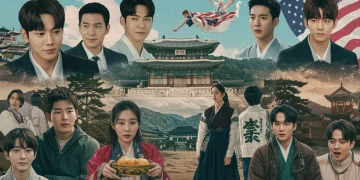
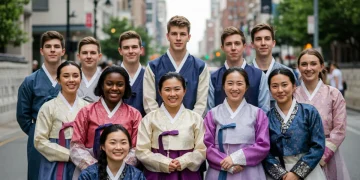
K-dramas, once a niche interest, have exploded into mainstream American culture, captivating millions with their unique storytelling, high production values, and charismatic actors. This widespread appeal has created a fertile ground for cultural exchange, with beauty standards being one of the most significantly impacted areas.
The accessibility of streaming platforms has played a pivotal role in this expansion, bringing diverse Korean narratives directly into American homes. This direct exposure allows viewers to immerse themselves in a different visual language of beauty, one that often contrasts with traditional Western ideals.
Streaming Platforms as Gateways
Platforms like Netflix, Viki, and Hulu have made K-dramas readily available, breaking down geographical and linguistic barriers. This ease of access has been crucial in fostering a dedicated fanbase and, consequently, spreading the influence of Korean beauty aesthetics.
- Global reach: K-dramas are now subtitled in numerous languages, making them accessible worldwide.
- Curated content: Platforms often highlight popular K-dramas, drawing in new viewers.
- Community building: Online forums and social media groups amplify K-drama discussions and related trends.
Beyond Entertainment: A Lifestyle Influence
The impact of K-dramas extends beyond simply watching a show. Viewers often develop an interest in Korean culture, including fashion, food, and crucially, beauty routines. The flawless complexions and meticulously styled appearances of K-drama stars become aspirational, leading to a desire to emulate these looks.
The narratives themselves often integrate beauty rituals and products, subtly educating viewers on Korean skincare philosophies and makeup techniques. This organic integration makes the adoption of K-beauty practices feel natural and desirable, rather than a forced trend.
The cultural footprint of K-dramas is undeniable, serving as a powerful catalyst for the re-evaluation and adoption of distinct beauty ideals in the American landscape. This influence is only expected to grow, further embedding Korean aesthetics into the fabric of American beauty by 2026.
Redefining “Flawless”: The K-Beauty Influence
At the heart of the K-drama beauty revolution is the concept of “flawless” skin, a standard that goes beyond simple blemish-free complexions. K-beauty emphasizes a hydrated, luminous, and smooth appearance, often referred to as “glass skin” or “honey skin.” This contrasts sharply with the long-standing Western emphasis on heavy foundation and matte finishes.
The meticulous multi-step skincare routines showcased or implied in K-dramas have inspired countless Americans to adopt similar practices. This shift prioritizes skin health and radiance over quick fixes, leading to a more holistic approach to beauty.
The “Glass Skin” Phenomenon
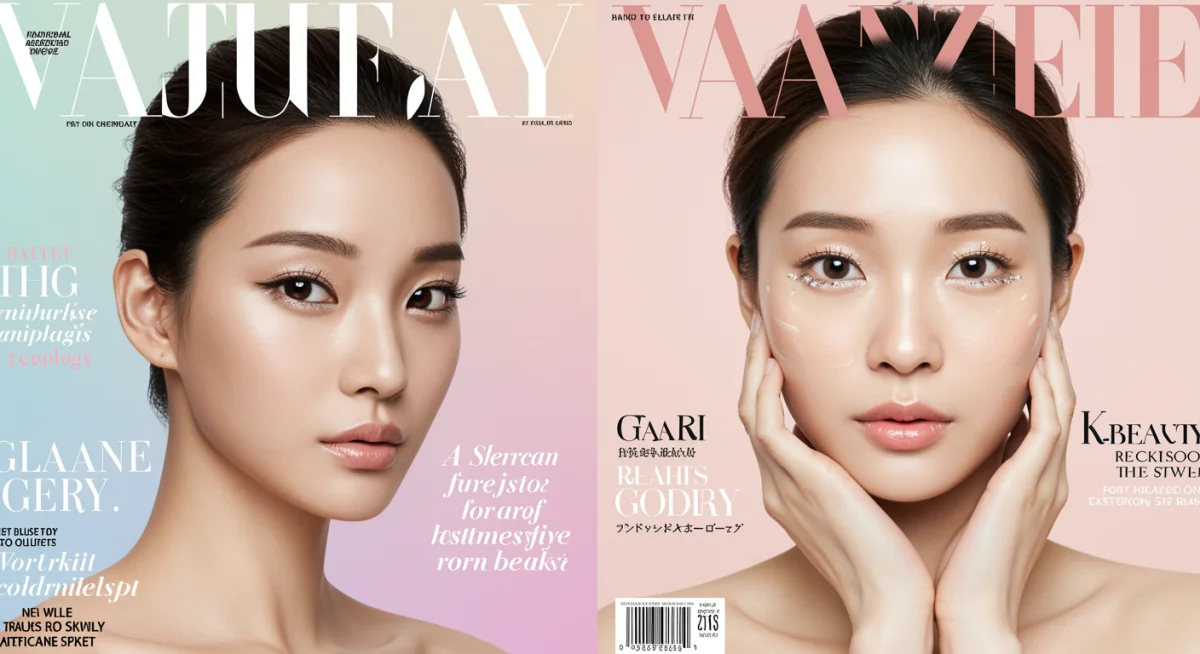
The pursuit of “glass skin” involves extensive hydration and layering of skincare products to achieve a translucent, dewy look. This ideal is frequently seen on K-drama actresses and actors, making it highly desirable.
- Hydration focus: Emphasis on toners, essences, and serums to deeply moisturize the skin.
- Gentle cleansing: Double cleansing methods are popularized for thorough yet non-stripping purification.
- Sun protection: Daily SPF application is a cornerstone of K-beauty for preventing hyperpigmentation and aging.
Makeup Trends: Natural Enhancement
K-drama makeup trends lean towards natural enhancement rather than dramatic transformations. This includes subtle eye makeup, gradient lips, and a focus on achieving a youthful, innocent aesthetic.
The goal is to highlight one’s natural features while providing a polished, fresh appearance. This approach resonates with many American consumers seeking a less overt and more effortless beauty routine.
The pervasive influence of K-dramas has undeniably redefined the American understanding of flawless beauty, shifting the focus from concealment to cultivation. This emphasis on healthy, glowing skin and natural enhancement is a significant factor in the projected 20% surge in new beauty standards.
Beyond Skin Deep: Facial Features and Proportions
While skincare is a cornerstone, K-dramas have also subtly influenced perceptions of desirable facial features and proportions. The characters often embody specific aesthetic ideals, such as V-shaped jawlines, straight eyebrows, and larger, more expressive eyes, which are now gaining traction in the American beauty discourse.
This doesn’t necessarily mean a complete abandonment of Western ideals, but rather an expansion of what is considered beautiful, incorporating elements previously less prominent in mainstream American media.
The Allure of Specific Features
Certain facial characteristics frequently seen in K-dramas are becoming more sought after. This includes delicate facial structures and specific eye shapes, often achieved through makeup techniques or even cosmetic procedures.
The representation of these features as attractive and desirable in popular K-dramas normalizes and popularizes them among American viewers.
Makeup Techniques for K-Drama Aesthetics
American beauty enthusiasts are increasingly adopting K-beauty makeup techniques to achieve these desired looks. This includes methods for creating aegyo-sal (under-eye bags that create a youthful look) and puppy-eye eyeliner.
These techniques, once unfamiliar, are now widely shared and replicated through online tutorials, further embedding K-drama aesthetics into everyday American beauty routines.
The influence of K-dramas extends beyond just surface-level trends, significantly impacting the perception of ideal facial features and proportions. This deeper level of influence is a testament to the comprehensive reshaping of beauty standards underway.
The Role of Male Idols and Androgynous Beauty
Perhaps one of the most revolutionary aspects of K-drama’s impact on American beauty standards is the rising acceptance and appreciation of male beauty ideals that challenge traditional Western masculinity. K-drama male leads often exhibit a softer, more refined aesthetic, embracing skincare, subtle makeup, and fashion that blurs conventional gender lines.
This exposure has opened up new conversations about male grooming and presentation in the US, fostering a more inclusive and diverse understanding of male attractiveness.
Challenging Traditional Masculinity
K-drama actors routinely showcase meticulous grooming, including extensive skincare routines and even light makeup, without it diminishing their perceived masculinity. This portrayal directly contrasts with some prevailing Western norms that often associate such practices with femininity.
- Skincare for men: K-dramas normalize men’s use of multi-step skincare routines.
- Subtle makeup: Male idols often wear foundation, concealer, and lip tint, which is becoming more accepted.
- Fashion fluidity: K-drama male fashion frequently incorporates softer silhouettes and colors.
The Rise of “Flower Boy” Aesthetic
The “flower boy” aesthetic, characterized by a youthful, delicate, and often androgynous appearance, has gained significant popularity. This look emphasizes clear skin, soft features, and a gentle demeanor, appealing to a broader audience than ever before.
This shift suggests a growing openness in American culture to diverse expressions of masculinity, moving away from rigid, hyper-masculine archetypes.
The representation of male beauty in K-dramas is a powerful force challenging and expanding traditional American notions of masculinity and attractiveness, contributing significantly to the evolving beauty landscape.
Psychological and Social Impact on American Viewers
The influence of K-dramas on American beauty standards isn’t just about superficial trends; it delves into the psychological and social fabric of how beauty is perceived and pursued. Exposure to different beauty ideals can broaden perspectives, challenge existing biases, and even impact self-esteem.
For many American viewers, K-dramas offer an alternative vision of beauty that feels fresh, attainable, and less overtly sexualized than some Western media portrayals.
Broadening Beauty Horizons
By presenting a diverse range of beauty ideals, K-dramas encourage viewers to consider and appreciate aesthetics beyond their immediate cultural context. This exposure can lead to a more inclusive understanding of beauty.
The narratives often celebrate inner beauty, resilience, and character, which subtly reinforces a more holistic view of attractiveness.
Impact on Self-Perception
For some, adopting K-beauty routines or aspiring to K-drama aesthetics can be empowering, offering new ways to express themselves and care for their skin. This can lead to increased self-confidence and a sense of connection to a global community.
However, it also presents challenges, as new standards can create new pressures. It’s a nuanced interaction between inspiration and potential new ideals to strive for.
The psychological and social impact of K-dramas extends far beyond the surface, deeply influencing how American viewers perceive beauty, themselves, and their place within a globalized aesthetic landscape. This complex interplay is central to the 20% surge in evolving beauty standards.
The Future of American Beauty: 2026 and Beyond
Looking ahead to 2026, the trajectory of K-drama influence on American beauty standards appears to be one of continued growth and integration. The initial surge will likely mature into a more ingrained cultural shift, where K-beauty principles and aesthetics become a permanent fixture in the American beauty lexicon.
This isn’t about replacing Western beauty ideals entirely, but rather creating a more eclectic and diverse landscape where multiple standards coexist and influence one another.
Fusion and Hybridization of Aesthetics
By 2026, we can anticipate a greater fusion of American and Korean beauty trends. This might manifest as hybrid skincare routines that combine elements from both cultures, or makeup looks that blend Western boldness with K-beauty’s natural radiance.
The market for beauty products will likely continue to adapt, offering more products that cater to these hybrid preferences.
Sustainability and Inclusivity
The future of beauty, influenced by K-dramas, will also likely see a stronger emphasis on sustainability and inclusivity. K-beauty brands are often at the forefront of innovative, natural ingredients and ethical production, aligning with growing consumer demand for responsible beauty.
Moreover, the diverse representation within K-dramas can contribute to a beauty industry that is more inclusive of various skin tones, types, and features.
The future of American beauty, particularly by 2026, is poised for continued diversification and enrichment, largely propelled by the enduring and deepening influence of K-dramas. This cultural exchange promises a more nuanced and globally informed approach to what beauty means.
| Key Aspect | Description of Impact |
|---|---|
| Skincare Focus | Shift towards multi-step routines emphasizing hydration and “glass skin” over heavy makeup. |
| Facial Features | Growing appreciation for V-shaped jawlines, straight brows, and expressive eyes. |
| Male Beauty | Increased acceptance of male grooming, skincare, and softer aesthetics (“flower boy”). |
| Cultural Hybridization | Anticipated blend of Western and K-beauty trends leading to a more diverse beauty landscape. |
Frequently Asked Questions About K-Drama’s Beauty Influence
K-dramas influence American beauty standards by showcasing different aesthetic ideals, particularly emphasizing healthy, luminous skin and natural makeup. They popularize multi-step skincare routines and introduce new perceptions of desirable facial features, often leading to a shift in consumer preferences and beauty practices.
“Glass skin” refers to an intensely hydrated, luminous, and smooth complexion, appearing almost translucent. Its popularity stems from K-dramas where characters frequently display this ideal, making it aspirational for viewers seeking a natural, youthful glow, contrasting with traditional matte Western looks.
Yes, K-dramas are significantly influencing American male beauty standards by normalizing meticulous grooming, skincare, and subtle makeup for men. The “flower boy” aesthetic, characterized by a softer, more refined appearance, challenges traditional hyper-masculine ideals, leading to broader acceptance of diverse male aesthetics.
The 20% surge in new aesthetic preferences is projected to materialize by 2026. This timeline accounts for the continued growth of K-drama viewership, sustained cultural exchange, and the gradual adoption and integration of K-beauty practices into mainstream American beauty routines and consumer markets.
Individuals can embrace K-beauty trends responsibly by focusing on skin health rather than solely superficial changes. Researching products, understanding ingredients, and adapting routines to one’s skin type are crucial. It’s important to seek inspiration without feeling pressured to conform to unrealistic or unattainable ideals, prioritizing self-care and well-being.
The Enduring Evolution of Beauty
The K-Drama beauty standards phenomenon is more than a fleeting trend; it represents a significant cultural shift. As K-dramas continue to captivate American audiences, their influence on beauty ideals will only deepen, fostering a more diverse, inclusive, and nuanced understanding of what it means to be beautiful. By 2026, the landscape of American beauty will undoubtedly reflect this profound cultural exchange, embracing a wider spectrum of aesthetics and challenging established norms. This evolution is a testament to the power of media in shaping our perceptions and desires, ultimately enriching the global tapestry of beauty.