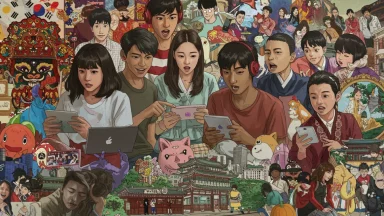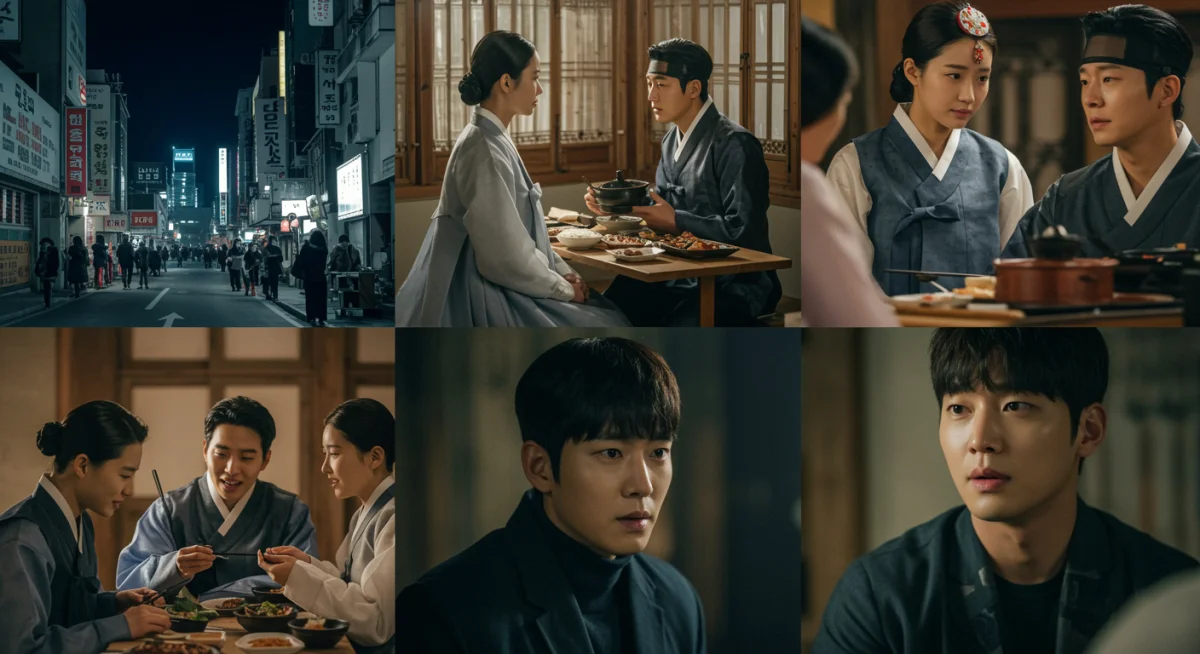
K-Dramas are increasingly offering American viewers profound cultural insights into South Korean societal values, intricate family dynamics, and distinct professional ethics, moving beyond simple entertainment by 2026.
In an increasingly interconnected world, cultural exchange through media has become a powerful force. While K-pop has certainly made its mark, the rise of K-dramas has offered an even deeper, more nuanced window into South Korean society. By 2026, the phenomenon of K-Drama cultural insights for American audiences has blossomed beyond mere entertainment, providing unexpected and profound understandings of a rich and complex culture. What are these surprising revelations that have captivated and educated millions across the United States?
the nuanced tapestry of societal values
K-dramas often serve as a mirror reflecting the intricate societal values deeply embedded within South Korean culture. For American viewers, accustomed to a more individualistic societal framework, the emphasis on community, respect for elders, and collective harmony presented in these narratives can be both refreshing and illuminating. The portrayal of these values is not always simplistic; sometimes it highlights the tensions and challenges inherent in upholding tradition in a rapidly modernizing society.
One of the most striking aspects is the concept of jeong (정), a uniquely Korean sentiment that describes a deep affection and attachment to people, places, or things. It’s a feeling of warmth, loyalty, and emotional bond that goes beyond simple friendship or love, often encompassing a sense of shared history and destiny. K-dramas often subtly weave this concept into character relationships, demonstrating how individuals prioritize the well-being of their group, whether it’s family, friends, or even colleagues, over purely personal desires. This collective spirit, while sometimes challenging to fully grasp for Western audiences, offers a valuable perspective on human connection.
filial piety and family hierarchy
A cornerstone of Korean society, filial piety, or hyo (효), is consistently depicted in K-dramas. This respect for parents and elders is not just a polite gesture but a profound moral obligation that influences virtually every aspect of life, from career choices to marital decisions. American viewers often encounter scenes where characters make significant sacrifices for their families, sometimes even putting their own happiness aside for the sake of parental approval or family honor. This contrasts sharply with Western narratives that frequently celebrate individual autonomy above all else.
- Parental Authority: Decisions regarding marriage, career, and even living arrangements are often heavily influenced by parental wishes.
- Elderly Respect: Strict traditions regarding how to address, serve, and care for elders are commonplace.
- Generational Obligations: Children, especially the eldest, often feel a strong sense of responsibility for their parents’ and younger siblings’ welfare.
Understanding these dynamics helps Americans appreciate the depth of family ties in Korean culture, moving beyond superficial interpretations of characters’ actions. It reveals a societal structure where age and position often dictate interactions, offering a different lens through which to view interpersonal relationships.
the importance of harmony and non-confrontation
K-dramas frequently illustrate the cultural preference for maintaining social harmony and avoiding direct confrontation. While American media often glorifies directness and assertive communication, Korean narratives often show characters navigating complex social situations with subtlety, indirect communication, and a focus on preserving relationships. This doesn’t mean issues are ignored, but rather addressed through more nuanced approaches, often prioritizing group cohesion over individual expression of dissent. This insight challenges American viewers to consider alternative methods of conflict resolution and communication, highlighting the value placed on collective peace.
The nuanced tapestry of societal values presented in K-dramas provides a rich educational experience for American audiences. It encourages a deeper appreciation for different cultural priorities and offers valuable lessons in understanding human relationships beyond a purely Western paradigm. The consistent portrayal of these values reinforces their significance, moving them from abstract concepts to relatable, character-driven narratives.
intricate family dynamics and relationships
Beyond broad societal values, K-dramas excel at dissecting the intricate family dynamics that are central to Korean life. For American viewers, these portrayals offer a fascinating glimpse into family structures that often differ significantly from their own. The narratives explore everything from the pressures of familial expectations to the complexities of extended family relationships, providing a rich educational experience.
The concept of the extended family, for instance, often holds more weight than in many Western cultures. Grandparents, aunts, uncles, and cousins frequently play active, influential roles in a character’s life, far beyond occasional holiday gatherings. This interconnectedness can lead to both immense support and significant pressure, as individual choices often have ripple effects across the entire family unit. K-dramas skillfully depict these multi-generational households and the unique challenges and joys they present.
the pressure of societal expectations and marriage
Marriage in K-dramas is often depicted as more than just a union between two individuals; it’s a convergence of families, sometimes with significant societal and economic implications. American viewers are often surprised by the intense pressure characters face to marry by a certain age, particularly women, and the importance of finding a suitable partner who meets familial approval. This often leads to storylines involving arranged meetings, parental interference, and the struggle between personal desire and family duty.
- Age-related Expectations: The societal expectation to marry and start a family by a certain age is a recurring theme.
- Family Approval: A partner’s background, education, and family status are often critical factors in parental acceptance.
- Matchmaking: Traditional matchmaking and blind dates, often orchestrated by parents, are common plot devices.
These narratives highlight the communal aspect of marriage in Korean culture, where a couple’s union is seen as contributing to the stability and continuation of both families. It prompts American audiences to reflect on their own cultural norms surrounding courtship and marriage, often characterized by a greater emphasis on individual choice and romantic love.
sibling relationships and rivalry
Sibling relationships in K-dramas are rarely simple. They are often portrayed with a compelling mix of deep affection, fierce loyalty, and sometimes intense rivalry, especially concerning inheritance, parental favor, or business succession. The elder sibling, particularly the eldest son, often carries a heavy burden of responsibility for the family’s well-being and reputation. This dynamic can create rich dramatic tension and allows American viewers to explore the complexities of familial bonds under specific cultural pressures.
The intricate family dynamics showcased in K-dramas offer a profound understanding of how personal identity and societal roles are shaped within a collectivist framework. For American audiences, it provides a valuable counterpoint to more individualistic perspectives, fostering empathy and a broader appreciation for the diverse ways families function and thrive across cultures. These stories emphasize that family is not just a backdrop but an active, shaping force in every character’s journey.
professional ethics and workplace culture
The workplace in K-dramas is far more than just a setting for romantic entanglements or dramatic power struggles; it’s a meticulously crafted environment that reveals deep insights into South Korean professional ethics and hierarchical structures. For American audiences, who are often accustomed to more informal workplace dynamics, the nuances of Korean corporate culture can be particularly enlightening, showcasing a world where respect, diligence, and seniority hold immense sway.
K-dramas frequently highlight the intense work ethic prevalent in South Korea, often depicting characters dedicating long hours and immense personal sacrifice to their careers. This commitment is often tied to a sense of loyalty to the company and a desire for collective success, rather than solely individual advancement. The concept of nunchi (눈치), the subtle art of understanding others’ moods and unspoken intentions, is also critical in Korean workplaces and is often demonstrated through characters’ careful navigation of social cues.

hierarchy and respect in the office
One of the most striking differences for American viewers is the pronounced hierarchy within Korean workplaces. Titles, age, and seniority dictate how individuals interact, communicate, and even who gets to speak first. This isn’t just about politeness; it’s a fundamental aspect of maintaining order and respect. Characters often use honorifics and specific speech patterns when addressing superiors, and deference is a clear expectation.
- Honorifics and Titles: The use of specific language and titles to show respect to senior colleagues is paramount.
- Bow Etiquette: Bowing is a common form of greeting and showing respect, with the depth of the bow often reflecting the status difference.
- Seniority’s Influence: Decisions and promotions are often heavily influenced by one’s time with the company and age.
This strict adherence to hierarchy can be a source of both stability and tension in K-drama plots, providing American audiences with a valuable lesson in understanding diverse organizational structures. It challenges the more egalitarian workplace ideals often promoted in the West, offering a contrasting model built on established roles and mutual respect for position.
work-life balance and corporate loyalty
K-dramas often portray the struggles of achieving work-life balance in a demanding corporate environment. Long working hours, company dinners (hoesik), and the expectation of after-hours socializing are common themes. While this can sometimes be depicted as burdensome, it also highlights the strong sense of corporate loyalty and camaraderie that is fostered within teams. Employees are often seen as part of a larger family, and their dedication is seen as a contribution to the collective success.
These narratives offer American viewers a glimpse into a professional world where personal and professional lives often intertwine more closely than they might be used to. It prompts reflection on the different ways cultures define success, loyalty, and the role of work in an individual’s life. The insights gained from observing these professional ethics are invaluable for anyone seeking to understand global business practices or simply appreciate the diverse ways people navigate their careers.
the role of education and aspiration
Education in South Korea is often portrayed in K-dramas as a fiercely competitive arena, a gateway to social mobility, and a source of immense family pride. For American audiences, this can be a revelation, highlighting a cultural emphasis on academic achievement that often surpasses what is typically seen in Western narratives. The dramas frequently showcase the intense pressure students face, the sacrifices parents make, and the significant role that prestigious universities play in shaping a character’s future.
The pursuit of academic excellence is not merely a personal endeavor but a collective family goal. Characters are often seen studying relentlessly, attending cram schools (hagwons), and enduring immense stress to secure a spot in a top-tier institution. These storylines provide a stark look at the dedication and societal value placed on education, which is often viewed as the primary means to secure a stable and respected position in society. This emphasis can sometimes lead to discussions about mental health and the darker side of extreme competition, adding layers of complexity to the narrative.
the pressure cooker of academic life
K-dramas frequently delve into the demanding lives of students, from high school to university. The sheer volume of study, the late nights, and the constant pressure to outperform peers are common themes. This intense academic environment is often depicted as a rite of passage, shaping not only intellectual capabilities but also character, resilience, and discipline. American viewers gain an understanding of the rigorous educational system and the profound impact it has on individuals from a very young age.
- Hagwon Culture: The prevalence and importance of private after-school academies are frequently shown.
- Exam Stress: Major examinations, particularly the College Scholastic Ability Test (CSAT), are often central to character arcs.
- Parental Involvement: Parents are often deeply invested in their children’s academic success, sometimes to an overwhelming degree.
This portrayal of academic life provides a window into a culture where educational attainment is highly correlated with future success and social standing. It allows American audiences to compare and contrast their own educational philosophies and societal expectations, highlighting the diverse approaches to nurturing young minds and preparing them for the future.
aspirations and social mobility
Education in K-dramas is often framed as the ultimate tool for social mobility. Characters from humble backgrounds frequently overcome immense obstacles through sheer academic prowess, securing coveted positions in prestigious companies or government roles. This narrative reinforces the belief that hard work and intellectual achievement can transcend socio-economic barriers, offering a powerful message of hope and determination. However, dramas also often explore the flip side, where those who struggle academically face significant challenges in a highly competitive society.
The role of education and aspiration in K-dramas offers a compelling insight into the values that drive South Korean society. It underscores the belief in meritocracy and the pursuit of excellence, providing American audiences with a nuanced understanding of how individuals strive for success and recognition within a culturally specific framework. These stories are not just about personal triumphs but also about the societal structures that both support and challenge individual ambitions.
gender roles and evolving identities
K-dramas frequently navigate the complex terrain of gender roles, showcasing both traditional expectations and the burgeoning shifts towards more modern, egalitarian identities within South Korean society. For American audiences, this offers a fascinating lens through which to observe the evolving landscape of gender, often presenting female characters who challenge societal norms while still respecting cultural heritage. The narratives provide insights into the pressures faced by both men and women and their individual journeys of self-discovery.
Historically, traditional gender roles have been deeply ingrained in Korean culture, often placing women primarily in domestic roles and men as primary providers. While these traditional elements are still present in many K-dramas, particularly in families with older generations, there’s a growing trend to portray strong, independent female leads who break free from conventions. These characters often pursue ambitious careers, assert their voices, and challenge patriarchal structures, reflecting real-world societal changes.
challenging traditional female roles
Many contemporary K-dramas feature female protagonists who are highly educated, career-driven, and financially independent. These characters often face skepticism or direct opposition from family members or societal expectations but ultimately strive to forge their own paths. Their struggles and triumphs resonate with American viewers, who can relate to the universal desire for self-determination and equality.
- Career-focused Women: Portrayals of women excelling in demanding professions like law, medicine, or business.
- Delayed Marriage/Motherhood: Characters choosing to prioritize careers over early marriage and children, challenging traditional timelines.
- Voice and Agency: Female leads increasingly expressing their opinions and making independent decisions, even when it means defying family.
These narratives are crucial for understanding the ongoing societal dialogue in South Korea regarding women’s roles. They demonstrate how cultural values are not static but are constantly being re-evaluated and redefined, offering a glimpse into a society in transition.
male identity and societal pressures
K-dramas also offer insights into male gender roles and the pressures faced by men in Korean society. Male characters are often depicted as carrying the burden of being successful providers, protectors, and upholders of family honor. This can lead to intense pressure, particularly in career and financial stability. However, there’s also an increasing trend to portray more emotionally complex and vulnerable male leads, challenging traditional notions of masculinity.
The exploration of gender roles in K-dramas provides a nuanced understanding of identity formation within a specific cultural context. For American audiences, it fosters a deeper appreciation for the universal struggles and triumphs associated with gender, while also highlighting the unique ways these experiences are shaped by Korean cultural norms. These stories encourage a broader perspective on what it means to be a man or a woman in a modernizing world.
the influence of food and social rituals
Food in K-dramas is rarely just sustenance; it’s a powerful cultural touchstone, a medium for expressing love, resolving conflict, and celebrating milestones. For American viewers, the consistent emphasis on communal eating, the vibrant array of dishes, and the associated social rituals offer a delightful and insightful journey into South Korean daily life. These culinary depictions go far beyond simple gastronomic appeal, revealing deeper layers of social interaction and cultural significance.
Whether it’s a family gathered around a table laden with banchan (side dishes), friends sharing street food after a long day, or colleagues bonding over a barbecue, food scenes are integral to K-drama narratives. They often serve as pivotal moments for character development, emotional exchanges, and the forging of stronger bonds. This contrasts with many Western shows where food, while present, might not hold the same symbolic or social weight.
communal eating and bonding
One of the most striking aspects is the communal nature of eating. Meals are often shared, with dishes placed in the center of the table for everyone to partake. This practice fosters a sense of togetherness and shared experience. K-dramas frequently show characters offering food to one another as a gesture of care, apology, or affection. This emphasis on collective dining highlights the importance of community and interconnectedness in Korean culture.
- Shared Dishes: Many meals involve a variety of dishes shared by everyone at the table.
- Food as Expression: Offering or preparing food is a common way to show love, concern, or gratitude.
- Social Gatherings: Eating together, especially barbecue or hot pot, is a primary form of social bonding.
This insight into communal eating provides American audiences with a deeper understanding of how social bonds are strengthened and maintained through shared culinary experiences. It encourages a reflection on the role of food in their own social rituals and the varying cultural interpretations of dining.
specific dishes and their cultural significance
Beyond the act of eating, specific Korean dishes often carry symbolic meaning within K-dramas. For example, kimchi, a staple fermented cabbage, is almost always present and signifies a fundamental aspect of Korean identity. Tteokbokki, spicy rice cakes, are often associated with casual street food and friendly gatherings. Eating jjamppong (spicy seafood noodle soup) after a breakup, or having a bowl of seaweed soup for birthdays, are recurring cultural touchstones that American viewers gradually learn to recognize.
The influence of food and social rituals in K-dramas offers a delicious and profound cultural immersion. It demonstrates how everyday acts, such as eating, are imbued with deep social meaning and serve as powerful expressions of cultural identity. For American audiences, these culinary insights add a rich layer of understanding, making Korean culture more relatable and appealing through the universal language of food.
the global impact and future of K-drama insights
The cultural insights gleaned from K-dramas are not merely confined to individual viewing experiences; they are shaping a broader global understanding of South Korea and fostering cross-cultural dialogue. By 2026, the cumulative effect of millions of American viewers engaging with these narratives has led to a noticeable shift in perceptions and an increased appetite for deeper cultural exploration. This global impact extends beyond entertainment, influencing travel, language learning, and even international relations.
K-dramas act as cultural ambassadors, breaking down stereotypes and building bridges of understanding. As more Americans consume these shows, they develop a more nuanced and empathetic view of Korean society, recognizing both its unique traditions and its modern complexities. This exposure often sparks a genuine curiosity to learn more about the country’s history, language, and contemporary issues, leading to a more informed global citizenry.
fostering cultural appreciation and language interest
The continuous exposure to Korean language, customs, and settings in K-dramas has undeniably sparked a significant interest in Korean culture among American audiences. Many viewers are motivated to learn basic Korean phrases, explore Korean cuisine, and even plan trips to South Korea. This organic growth in cultural appreciation is a testament to the power of storytelling in fostering genuine connection and curiosity across borders.
- Language Learning: A surge in interest in learning Korean, driven by K-drama viewership.
- Tourism Boost: Increased desire to visit South Korea and experience its culture firsthand.
- Culinary Exploration: Growing popularity of Korean food and cooking in American households.
This fostering of cultural appreciation is a significant long-term benefit of K-dramas, creating a more culturally literate and globally aware American population. It demonstrates how entertainment can be a powerful catalyst for education and understanding.
soft power and international relations
Beyond individual cultural appreciation, K-dramas contribute significantly to South Korea’s soft power on the global stage. By presenting a modern, dynamic, and culturally rich image of the country, they enhance its international appeal and influence. This positive perception can have tangible effects on international relations, trade, and diplomatic efforts. For American audiences, K-dramas offer a humanized and relatable perspective on a key ally, moving beyond geopolitical headlines to reveal the everyday lives and aspirations of its people.
The global impact and future of K-drama insights indicate a continuing trend of cultural integration and mutual understanding. As these narratives continue to evolve and reach wider audiences, they will undoubtedly play an even more significant role in shaping cross-cultural perspectives and fostering a more connected world. The unexpected cultural insights gained are not just a passing trend but a lasting legacy of emotional and intellectual engagement.
| Key Insight | Brief Description |
|---|---|
| Societal Values | Emphasis on community, filial piety, and harmony over individualism. |
| Family Dynamics | Intricate relationships, parental influence, and multi-generational households. |
| Workplace Ethics | Hierarchical structures, strong work ethic, and corporate loyalty. |
| Education & Aspirations | Intense academic competition and its role in social mobility. |
Frequently Asked Questions about K-Drama Cultural Insights
K-dramas often emphasize filial piety, respect for elders, and collective family decisions, whereas American television frequently highlights individual autonomy and personal choice over familial obligations. This contrast offers a rich understanding of diverse cultural priorities in family structures.
K-dramas reveal a highly hierarchical workplace culture with strong emphasis on seniority, respect for authority, and corporate loyalty. They also depict the intense work ethic and the blurring lines between professional and personal life through activities like company dinners, offering a distinct contrast to many Western corporate environments.