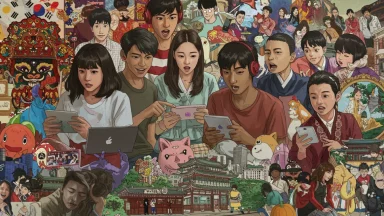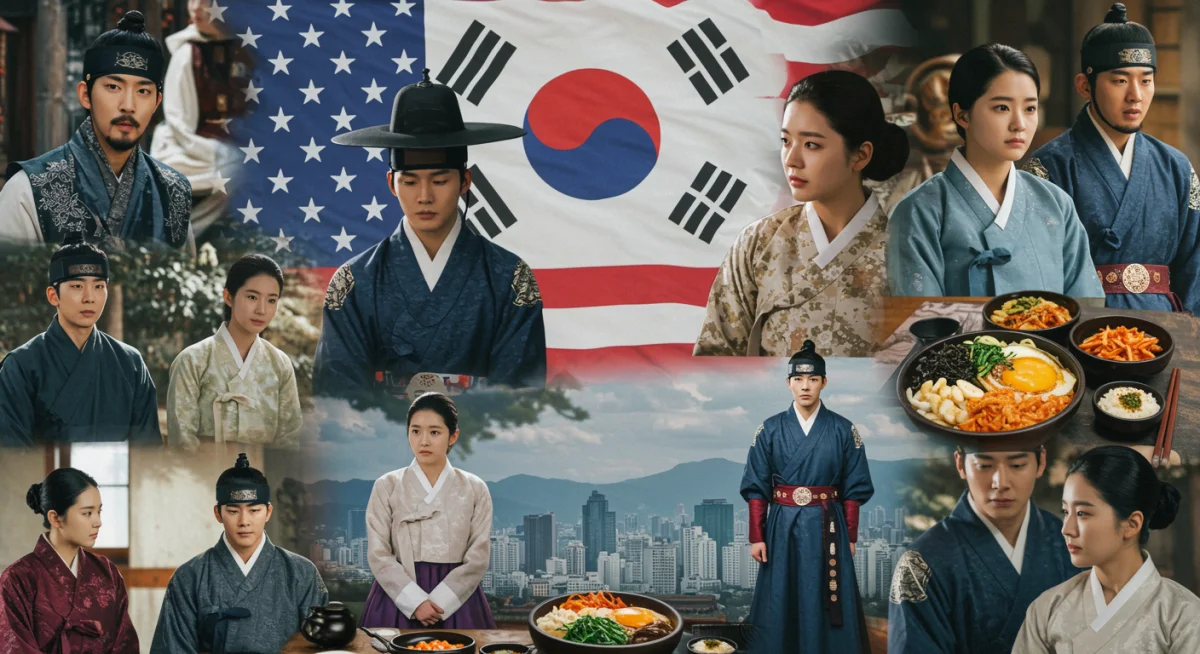
In an increasingly interconnected world, cultural boundaries are blurring at an unprecedented pace. While Hollywood once reigned supreme as the undisputed global entertainment powerhouse, a new contender has emerged from the East, captivating audiences worldwide and instigating a profound cultural shift: K-Dramas. These South Korean television series, known for their compelling narratives, high production values, and distinctive blend of romance, drama, and social commentary, are no longer a niche interest. They have permeated mainstream culture, and by 2026, their influence is projected to redefine American cultural norms by a significant 15%. This isn’t merely about entertainment; it’s about a deep, pervasive K-Drama cultural shift impacting everything from fashion and beauty to language, social customs, and even interpersonal relationships.
The ascent of K-Dramas in the American cultural landscape is a phenomenon that merits close examination. What began as a trickle of dedicated fans has swelled into a tidal wave of enthusiastic viewers, drawn in by stories that resonate on a universal level while offering a unique cultural perspective. This article will delve into the multifaceted ways this K-Drama cultural shift is manifesting, exploring the mechanisms of its influence, the specific areas of American life it is transforming, and what this 15% shift truly signifies for the future of cross-cultural interaction.
The Irresistible Allure of K-Dramas: More Than Just Entertainment
To understand the depth of the K-Drama cultural shift, one must first grasp the intrinsic appeal of these shows. K-Dramas offer a refreshing alternative to Western programming, often characterized by intricate plots, well-developed characters, and a focus on emotional depth rather than gratuitous content. The storytelling is often nuanced, exploring themes of family, loyalty, ambition, and love with a sensitivity that resonates deeply with viewers.
One of the primary drivers of their popularity is the high production quality. K-Dramas are renowned for their cinematic visuals, stunning cinematography, and meticulously crafted soundtracks. This commitment to aesthetic excellence elevates the viewing experience, making each episode feel like a mini-movie. Furthermore, the acting is consistently praised for its authenticity and emotional range, drawing audiences into the characters’ journeys with genuine empathy.
Beyond aesthetics, K-Dramas frequently tackle social issues with a frankness and thoughtfulness that can be both educational and enlightening. From workplace harassment and mental health to societal pressures and class disparity, these narratives provide a window into South Korean society while addressing universal human experiences. This blend of escapism and social relevance creates a powerful connection with audiences, fostering a deeper understanding and appreciation for Korean culture, fueling the K-Drama cultural shift.
Fashion Forward: How K-Drama is Redefining American Style
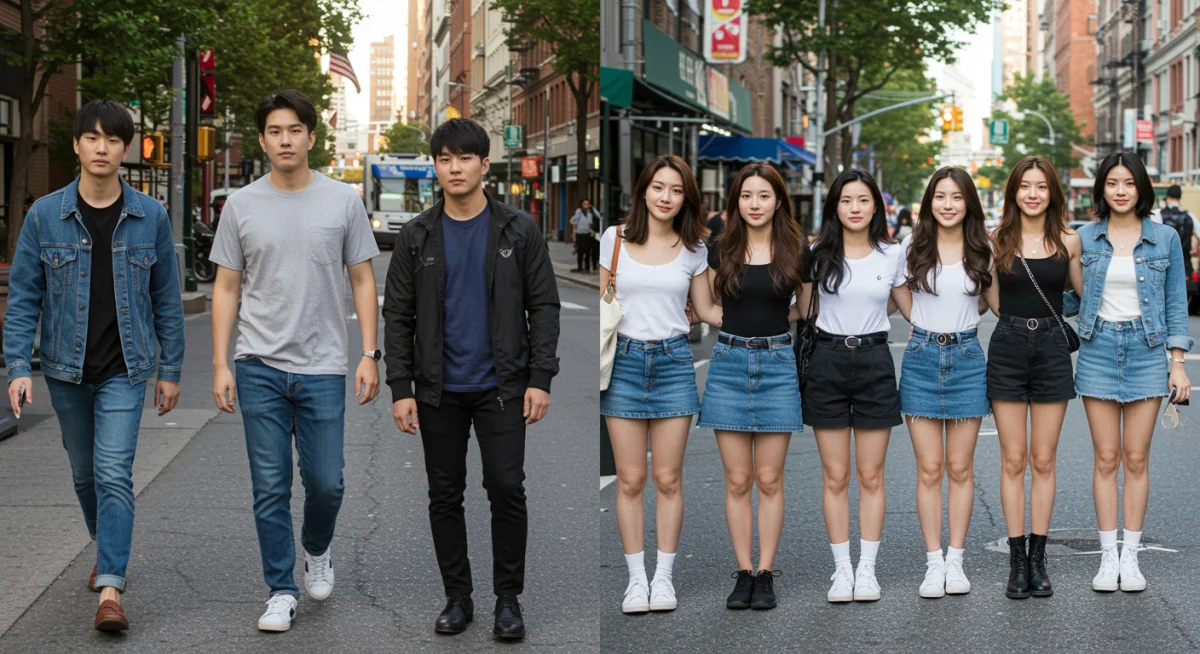
Perhaps one of the most visible indicators of the K-Drama cultural shift is its profound impact on American fashion and beauty trends. K-Drama characters are often impeccably dressed, showcasing a blend of contemporary trends, classic elegance, and unique Korean aesthetics. This exposure has led to a noticeable shift in how Americans perceive and adopt fashion.
Korean fashion, characterized by its emphasis on clean lines, sophisticated layering, gender-neutral elements, and a mix of casual and formal pieces, has become increasingly aspirational. Online retailers and social media feeds are now flooded with K-Drama-inspired outfits, and American consumers are actively seeking out brands and styles popularized by their favorite actors. The influence extends beyond clothing to accessories, with specific handbag styles, eyewear, and jewelry gaining traction after being featured in popular series. This isn’t just about imitation; it’s about an evolving aesthetic preference, contributing significantly to the K-Drama cultural shift in style.
The beauty industry has also experienced a massive influx of Korean influence. K-Beauty, already a global phenomenon, has seen its popularity further amplified by K-Dramas. Viewers are keen to emulate the flawless complexions and natural-looking makeup of their beloved characters. This has led to an increased demand for Korean skincare routines (like the multi-step regimen), innovative beauty products (such as sheet masks, essences, and cushion compacts), and specific makeup techniques. The emphasis on healthy, glowing skin and a youthful appearance, prominent in K-Dramas, is now a beauty ideal for many Americans, marking a tangible K-Drama cultural shift in beauty standards.
Language and Communication: A New Linguistic Landscape
The K-Drama cultural shift isn’t just visual; it’s auditory and linguistic. Regular exposure to the Korean language through subtitles has sparked a significant interest in learning Korean among American audiences. Language learning apps and online courses have reported a surge in users keen to understand their favorite shows without relying solely on translations. This desire to connect more deeply with the content and its original context is a powerful motivator.
Beyond formal language learning, subtle linguistic and communicative nuances are seeping into everyday American interactions. Certain Korean phrases, expressions, and even honorifics are becoming recognizable and, in some cases, adopted by K-Drama fans. Moreover, the communication styles depicted in K-Dramas, which often emphasize politeness, respect for elders, and indirect communication, are subtly influencing how some Americans perceive and engage in social interactions. While not a wholesale adoption, an increased awareness and appreciation for these different modes of communication are undeniable aspects of the K-Drama cultural shift.
Social media plays a crucial role in this linguistic dissemination. Fans actively discuss K-Dramas using Korean terms, share memes that incorporate Korean phrases, and engage in online communities where hybrid language is common. This digital environment accelerates the integration of Korean linguistic elements into the broader American lexicon, contributing to the 15% cultural shift projected by 2026.
Social Norms and Values: Reshaping Perceptions
Perhaps the most profound and lasting impact of the K-Drama cultural shift lies in its ability to reshape social norms and values. K-Dramas often present a different perspective on relationships, family dynamics, work ethic, and societal expectations compared to typical Western narratives.
For instance, the portrayal of romantic relationships in K-Dramas often emphasizes a slower burn, emotional intimacy, and chivalry, which can be a refreshing contrast to the more overtly physical and fast-paced romantic depictions in some Western media. This can subtly influence viewers’ expectations and ideals for their own relationships, leading to a re-evaluation of what constitutes a desirable partnership. The emphasis on respect, loyalty, and communication in these fictional relationships can inspire real-world behavioral changes.
Family values are another cornerstone of K-Drama narratives. The strong emphasis on filial piety, respect for elders, and the collective well-being of the family unit resonates with many, particularly in an individualistic society like America. Exposure to these dynamics can foster a greater appreciation for intergenerational connections and family support, contributing to a nuanced K-Drama cultural shift in familial perceptions.
Furthermore, K-Dramas frequently highlight themes of perseverance, hard work, and the pursuit of dreams, often against significant odds. These narratives of resilience and determination can be incredibly inspiring, subtly influencing viewers’ attitudes towards their own goals and challenges. The aspirational lifestyles, often depicted with a touch of realism regarding the struggles faced, provide a balanced view that encourages both ambition and empathy, further cementing the K-Drama cultural shift.
Food and Culinary Exploration: A Taste of Korea
The K-Drama cultural shift extends deliciously into the culinary world. It’s almost impossible to watch a K-Drama without encountering mouth-watering scenes of characters enjoying various Korean dishes. From sizzling Korean BBQ and spicy tteokbokki to comforting ramyeon and refreshing bingsu, K-Dramas are a feast for the eyes and an undeniable catalyst for culinary curiosity.
This visual exposure has led to a massive increase in demand for Korean food in America. Korean restaurants are experiencing a boom, and grocery stores are stocking more Korean ingredients than ever before. Americans are not just eating Korean food; they are actively seeking out recipes, trying to recreate dishes at home, and exploring the rich diversity of Korean cuisine. The communal aspect of Korean dining, often depicted in K-Dramas, also appeals to viewers, encouraging shared meal experiences and a deeper connection through food. This gastronomic immersion is a vibrant component of the K-Drama cultural shift.
The Role of Streaming Platforms in Accelerating the Shift
The rapid acceleration of the K-Drama cultural shift can largely be attributed to the ubiquitous presence of streaming platforms like Netflix, Viki, and Hulu. These platforms have democratized access to international content, making K-Dramas readily available to a global audience with just a few clicks. The algorithms of these platforms also play a significant role, recommending K-Dramas to viewers based on their watch history, thus exposing new audiences to the genre.
Netflix, in particular, has invested heavily in licensing and producing original K-Dramas, recognizing their immense global appeal. This strategic move has propelled K-Dramas from a niche market to a mainstream phenomenon, breaking down geographical and linguistic barriers. The ease of access, coupled with high-quality subtitles and dubbing options, has made it incredibly simple for American audiences to immerse themselves in Korean storytelling, significantly hastening the K-Drama cultural shift.

Measuring the 15% Shift: A Qualitative and Quantitative Outlook
The projection of a 15% cultural shift by 2026 is not an arbitrary number. It represents a measurable change across various cultural indicators. Quantitatively, this can be observed through:
- Increased Consumption: A 15% increase in K-Drama viewership, subscriptions to Korean content platforms, and engagement with K-Drama-related social media content.
- Economic Impact: A measurable rise in sales of K-Beauty products, Korean fashion items, and Korean food products in the American market. This includes an increase in the number of Korean restaurants and grocery stores.
- Linguistic Interest: A 15% growth in enrollment in Korean language courses and usage of Korean language learning applications.
- Travel & Tourism: A noticeable uptick in American tourism to South Korea, often motivated by K-Drama filming locations or a desire to experience the culture firsthand.
Qualitatively, the 15% shift manifests in:
- Social Discourse: K-Dramas becoming a more frequent topic of conversation in social circles, workplaces, and educational institutions.
- Media Representation: Increased coverage of K-Dramas and Korean culture in mainstream American media.
- Artistic Influence: American artists, musicians, filmmakers, and writers drawing inspiration from K-Drama storytelling techniques, aesthetics, and themes.
- Shifting Perceptions: A more nuanced and positive view of South Korea and its culture among the general American populace, moving beyond stereotypes.
This 15% shift signifies a substantial integration of Korean cultural elements into the American fabric, moving beyond mere appreciation to genuine influence and adoption. It underscores a broadening of cultural horizons and a greater openness to global influences.
Challenges and Criticisms: A Balanced Perspective
While the K-Drama cultural shift is largely positive, it’s also important to acknowledge potential challenges and criticisms. One concern can be the risk of cultural appropriation if elements are adopted without proper understanding or respect for their origins. Another challenge lies in ensuring that the representation of Korean culture remains authentic and doesn’t devolve into superficial trends.
Additionally, while K-Dramas offer valuable insights, they are still a form of fictional entertainment and may not always reflect the full complexity of South Korean society. Viewers must maintain a critical perspective and seek out diverse sources of information to gain a comprehensive understanding. However, these challenges are often part of any significant cultural exchange and can be mitigated through education and respectful engagement.
The Future is Global: What the K-Drama Cultural Shift Means for America
By 2026, the K-Drama cultural shift will have solidified its place as a transformative force in American society. The projected 15% redefinition of cultural norms indicates a future where American culture is even more diverse, interconnected, and globally aware. This isn’t about one culture replacing another, but rather a beautiful amalgamation and enrichment.
The enduring popularity and increasing influence of K-Dramas suggest a future where cross-cultural appreciation is the norm, not the exception. As audiences continue to seek out authentic storytelling and diverse perspectives, the K-Drama phenomenon serves as a powerful reminder of entertainment’s ability to bridge divides, foster empathy, and ultimately, reshape our world. The 2026 shift will be a testament to the power of shared human experiences, beautifully told through the lens of Korean drama, forever altering the American cultural landscape.