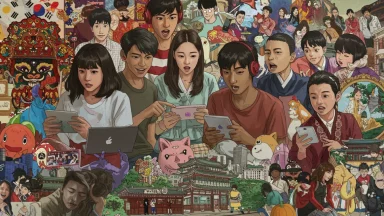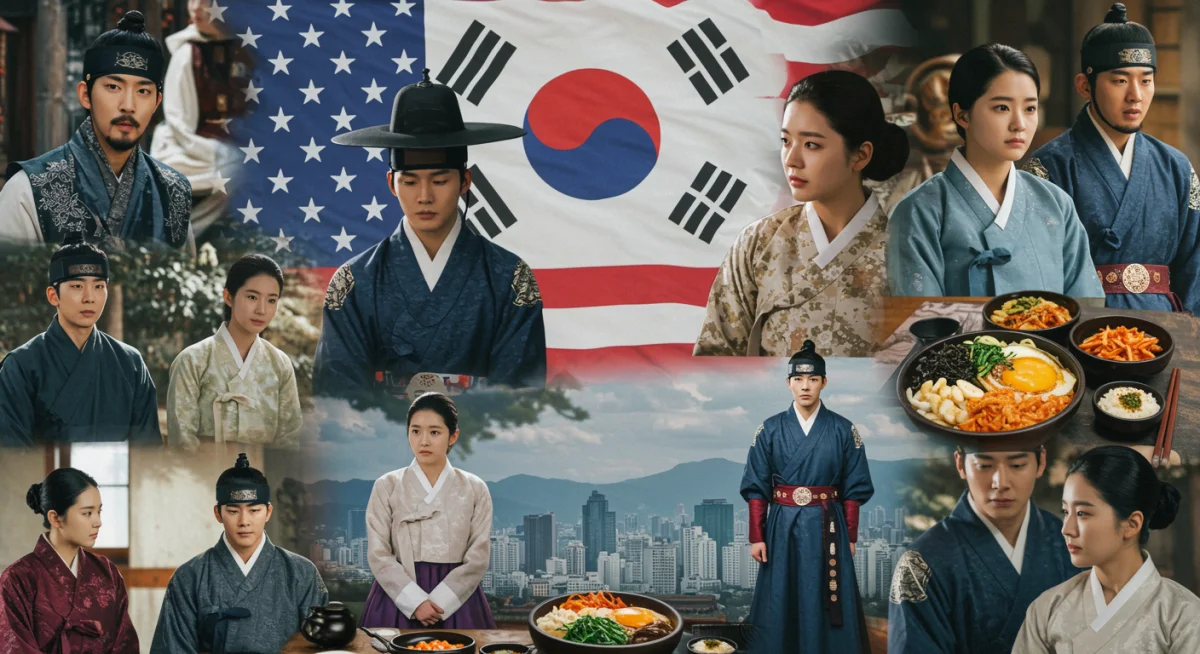
K-dramas are significantly influencing American social etiquette in 2026, subtly shifting perceptions around respect, communication, and interpersonal relationships among viewers across the United States.
Have you ever noticed a subtle shift in how people interact, a newfound emphasis on politeness, or perhaps a different way of expressing respect? The pervasive reach of Korean dramas, or K-dramas, has transcended mere entertainment, and a 2026 analysis reveals a growing influence on American social etiquette. This cultural phenomenon is quietly reshaping perceptions and behaviors across the United States, leaving an undeniable mark on our daily interactions.
The subtle art of deference: non-verbal communication shifts
One of the most profound areas where K-dramas are leaving their imprint is in the realm of non-verbal communication, particularly regarding deference. Korean culture places a strong emphasis on respect for elders and those in positions of authority, often conveyed through subtle gestures and body language. American viewers, immersed in these narratives, are beginning to internalize and even adopt some of these nuanced expressions.
This isn’t about Americans suddenly bowing to their bosses; rather, it’s about a heightened awareness and appreciation for subtle acknowledgments. A slight nod, a more measured tone of voice when addressing someone older, or even a moment of hesitation before interrupting can all be seen as indirect influences.
Observing respectful gestures
- Head Nods: A more frequent and slightly deeper head nod as a sign of respect, especially when listening to an elder or superior.
- Two-Handed Offering: An emerging trend of offering items with two hands, signifying greater respect, particularly in formal settings.
- Personal Space: A subtle increase in maintaining a respectful distance, especially in initial interactions or with new acquaintances.
The continuous exposure to these gestures in K-dramas normalizes them, making them feel less foreign and more understandable to an American audience. This assimilation is often unconscious, a natural byproduct of prolonged cultural immersion, leading to a more nuanced understanding of respect in various social contexts. The influence is not about direct imitation but rather a broadening of the American understanding of respectful interaction.
Evolving communication styles: politeness and indirectness
American communication is often characterized by directness and assertiveness. However, K-dramas frequently showcase communication styles that prioritize politeness, indirectness, and harmony. This contrast is proving to be an interesting point of reflection for American viewers, leading to subtle shifts in how they approach conversations and express opinions.
The emphasis on avoiding direct confrontation, using honorifics, and carefully choosing words to maintain social harmony is a recurring theme in K-drama narratives. While American culture values honesty, the K-drama emphasis on preserving face and avoiding offense is resonating with some viewers, encouraging a more thoughtful and less abrasive approach to communication.
The impact on everyday conversations
- Mindful Word Choice: A greater consideration for how words might be perceived by others, leading to more cautious and less blunt expressions.
- Active Listening: An increased emphasis on listening attentively and allowing others to fully express themselves before responding.
- Softened Rejections: A tendency to soften rejections or disagreements with polite phrasing rather than direct refusal.
These subtle changes contribute to a more empathetic and considerate communication landscape. It’s not about abandoning American directness entirely, but rather adding another layer of nuance and consideration, fostering more harmonious interactions in various social and professional settings. The exposure to different communication strategies offers Americans a broader toolkit for navigating complex social situations.
The changing perceptions of age and hierarchy
In American society, while respect for elders is generally present, it is not as deeply ingrained or overtly expressed as in many East Asian cultures. K-dramas, however, consistently highlight the importance of age and hierarchical structures in social interactions. This constant portrayal is prompting American viewers to re-evaluate their own perceptions and behaviors towards older individuals and those in authority.
Viewers often see younger characters in K-dramas using formal language, bowing, and showing immense deference to their seniors, even in casual settings. This consistent visual reinforcement can subtly shift expectations and encourage a more conscious effort among American viewers to demonstrate respect for age and experience, not just out of obligation, but out of a deeper cultural understanding.
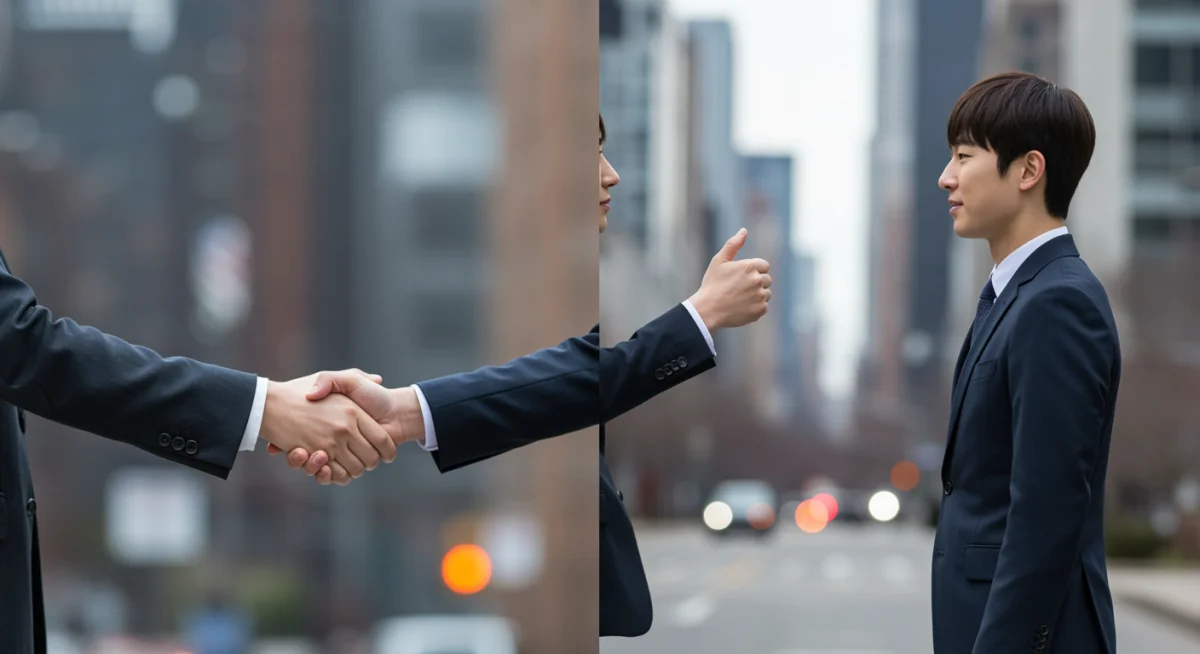
Manifestations in social settings
- Prioritizing Elders: A greater inclination to offer seats, hold doors, or allow elders to go first in public spaces.
- Formal Address: A slight increase in the use of more formal titles or honorifics when addressing older acquaintances or colleagues.
- Seeking Advice: A growing tendency to actively seek and value the advice and wisdom of older generations.
This evolving perception of age and hierarchy is contributing to a richer and more respectful intergenerational dynamic within American society. K-dramas demonstrate the beauty and importance of these social structures, providing a compelling model for viewers to consider. The narratives show how these dynamics can foster stronger community bonds and mutual understanding.
The etiquette of dining and social gatherings
Dining etiquette in K-dramas is often a focal point, showcasing specific customs that differ from typical American practices. From the way food is served and shared to the order in which people eat, these scenes offer a window into a different approach to communal meals. American viewers, particularly those who enjoy hosting or attending social gatherings, are beginning to incorporate some of these observed behaviors.
The emphasis on sharing food, waiting for elders to start eating, and the meticulous arrangement of dishes are all aspects that can subtly influence American dining habits. It’s not about rigid adherence to Korean customs, but rather an increased appreciation for the communal and respectful aspects of a shared meal, leading to more thoughtful and inclusive dining experiences.
New dining considerations
- Communal Dishes: A greater comfort and willingness to share food from communal dishes, fostering a sense of togetherness.
- Serving Others: An increased tendency to serve others, especially elders or guests, before serving oneself.
- Mindful Eating: A more deliberate and appreciative approach to meals, savoring the food and the company.
These subtle shifts in dining etiquette enhance the social fabric of gatherings, making them more engaging and considerate. K-dramas illustrate that meals are not just about sustenance, but also about building relationships and expressing care. This expanded perspective enriches the American dining experience, moving beyond mere consumption to a more cultural exchange.
Impact on friendships and romantic relationships
K-dramas often portray friendships and romantic relationships with a unique blend of sincerity, loyalty, and sometimes a charming innocence. The way characters navigate these bonds, from grand romantic gestures to unwavering support among friends, offers a refreshing perspective that contrasts with some aspects of American relationship dynamics. This exposure is influencing how some American viewers perceive and engage in their own relationships.
The emphasis on open communication (within certain cultural boundaries), deep emotional connection, and acts of service as expressions of affection are recurring themes. Viewers are observing and internalizing these relationship models, sometimes leading to a desire for similar depth and thoughtfulness in their own personal connections, sparking conversations about emotional expression and commitment.
Redefining relationship dynamics
- Expressing Affection: A greater willingness to express affection through thoughtful gestures and acts of service, beyond purely verbal declarations.
- Loyalty in Friendship: A reinforced appreciation for unwavering loyalty and support within friendship circles.
- Emotional Vulnerability: A subtle encouragement of deeper emotional sharing and understanding within romantic partnerships.
The portrayal of strong, supportive relationships in K-dramas offers a compelling alternative or complement to existing American norms. This influence encourages a more intentional and emotionally intelligent approach to forming and maintaining bonds. K-dramas show that relationships thrive on mutual respect and genuine effort, inspiring viewers to cultivate these qualities.
The future of K-drama’s influence on American social norms
As K-dramas continue to gain popularity and integrate further into mainstream American entertainment, their influence on social etiquette is likely to deepen and broaden. This isn’t a phenomenon of complete cultural assimilation, but rather a dynamic process of cultural exchange and adaptation. The subtle changes observed in 2026 are merely the beginning of a more profound cross-cultural dialogue that will continue to shape American social norms.
The accessibility of K-dramas through streaming platforms ensures their continued reach across diverse demographics in the United States. As more Americans are exposed to these narratives, the subtle cues and social expectations embedded within them will become even more familiar. This ongoing exposure will likely lead to a more nuanced and globally aware approach to social interactions, enriching the American cultural landscape.
Projected long-term impacts
- Increased Cultural Literacy: A broader understanding and appreciation for diverse cultural norms, fostering greater empathy.
- Hybrid Etiquette: The emergence of a blended etiquette, incorporating elements from both American and Korean social practices.
- Globalized Interactions: A smoother navigation of international social and professional settings due to increased cross-cultural awareness.
The future suggests a more interconnected and understanding society, where the subtleties of K-drama etiquette become part of a larger, evolving American social tapestry. This cultural fusion reflects a world that is becoming increasingly smaller, where entertainment acts as a powerful bridge between different ways of life. The long-term impact promises a more sophisticated and inclusive approach to social interactions.
| Key Aspect | K-Drama Influence on American Etiquette |
|---|---|
| Non-Verbal Cues | Increased awareness of subtle gestures like head nods and two-handed offerings for respect. |
| Communication Style | Greater emphasis on politeness, indirectness, and mindful word choice to maintain harmony. |
| Age and Hierarchy | Evolving perceptions leading to more conscious respect for elders and authority figures. |
| Dining Etiquette | Incorporation of communal dining aspects, serving others first, and mindful eating. |
Frequently asked questions about K-Drama and social etiquette
K-dramas often portray relationships with a strong emphasis on sincere emotional connection, thoughtful gestures, and loyalty. This can inspire American viewers to seek deeper emotional vulnerability and express affection through acts of service rather than purely verbal declarations, subtly influencing dating expectations and behaviors.
While not leading to widespread formality, K-dramas are increasing awareness of subtle deferential gestures and polite communication. This can result in a more thoughtful approach to interactions, particularly with elders or those in authority, fostering a blend of respect with existing American casualness.
Viewers are subtly adopting cues like more frequent and slightly deeper head nods as signs of respect, especially when listening. There is also an emerging awareness of offering items with two hands to signify greater deference, particularly in more formal or respectful exchanges.
In the workplace, K-drama influence can manifest as increased mindfulness in communication, a greater appreciation for hierarchical structures, and a more considered approach to feedback. This might encourage employees to use slightly more formal address or show deference to senior colleagues, enhancing professional harmony.
Given the sustained and growing popularity of K-dramas, this cultural influence is likely to be a lasting trend rather than a passing fad. It contributes to a broader cultural literacy and a more globalized approach to social interactions, suggesting a permanent, albeit evolving, integration into American social norms.
Conclusion
The subtle yet significant impact of K-dramas on American social etiquette by 2026 is undeniable. From nuanced non-verbal cues to evolving communication styles and shifting perceptions of age and hierarchy, these dramas are acting as powerful conduits of cultural exchange. This ongoing influence enriches the American social landscape, fostering a more globally aware, respectful, and empathetic society. As K-dramas continue to captivate audiences, their role in shaping and diversifying American social norms will only grow, creating a more interconnected cultural experience for all.