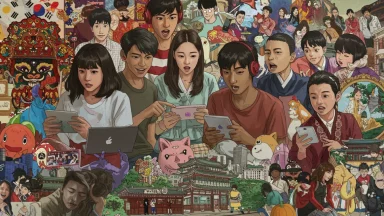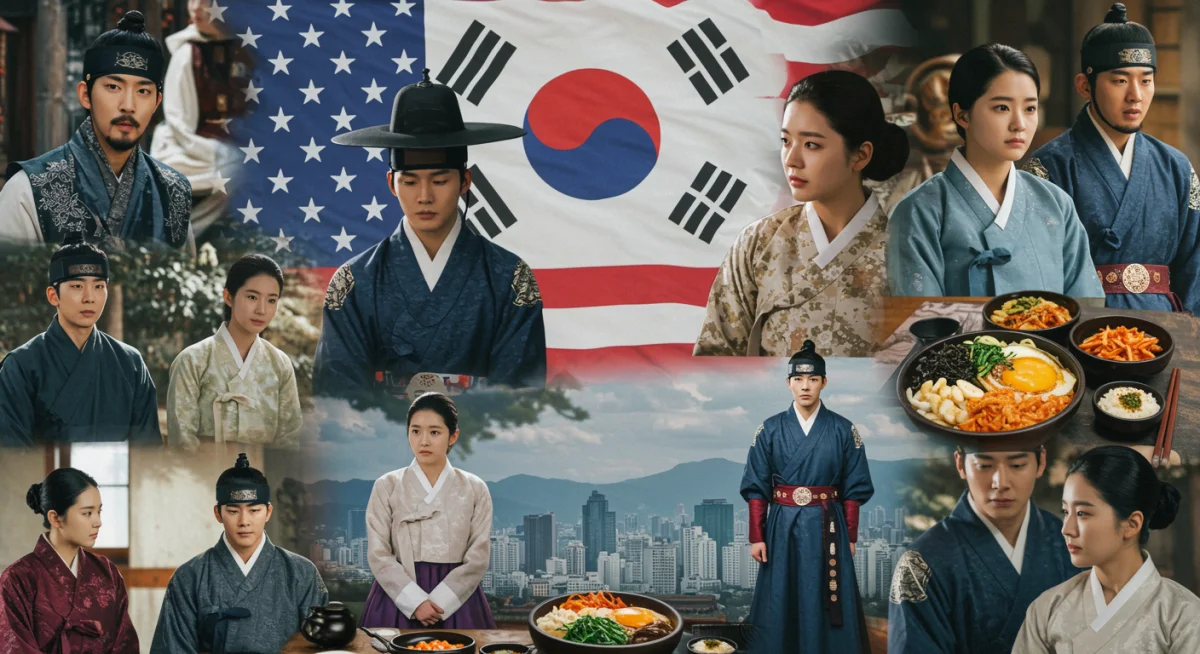
K-Dramas are projected to increase American interest in Korean traditions by 10% by 2026, serving as a powerful cultural bridge and fostering deeper engagement with Korean language, cuisine, and heritage.
The global phenomenon of K-Dramas has transcended entertainment, becoming a significant cultural ambassador. This article delves into how K-Dramas are fostering a 10% increase in American interest in Korean traditions by 2026, examining the multifaceted ways these captivating narratives are reshaping cultural perceptions and driving engagement across the United States.
The rise of Hallyu: from niche to mainstream
The Korean Wave, or Hallyu, has steadily gained momentum over the past two decades, evolving from a niche interest into a global cultural powerhouse. K-Dramas, with their compelling storytelling, high production values, and unique cultural insights, have played a pivotal role in this expansion. What began as a curiosity for some has now become a mainstream entertainment choice for millions of Americans.
This widespread appeal is not accidental. Korean production companies have strategically invested in diverse genres, from historical epics to modern romantic comedies and gripping thrillers, ensuring there’s something for every viewer. The accessibility provided by streaming platforms has been a game-changer, breaking down geographical barriers and making K-Dramas readily available to a vast American audience.
Streaming platforms as cultural gateways
Platforms like Netflix, Viki, and Hulu have been instrumental in democratizing access to K-Dramas. Their algorithms often recommend these shows to viewers based on their existing preferences, introducing new audiences to Korean content they might not have otherwise discovered.
- Netflix: Invests heavily in original Korean content, often simultaneously releasing shows globally.
- Viki: Specializes in Asian dramas, offering extensive subtitle options and a community-driven experience.
- Hulu: Features a curated selection of popular K-Dramas, expanding their reach to a broader subscriber base.
The strategic placement and promotion of K-Dramas on these platforms have amplified their visibility, transforming them into a significant cultural force. This ease of access has been crucial in cultivating the growing American interest in Korean culture.
The journey of K-Dramas from niche foreign content to beloved mainstream entertainment in the US is a testament to their universal appeal and the power of effective distribution. This accessibility has laid the groundwork for a deeper cultural immersion among American viewers.
Beyond the screen: K-Dramas influence on Korean language learning
One of the most tangible impacts of K-Dramas on American interest in Korean traditions is the surge in Korean language learning. Viewers, captivated by the dialogue and eager to understand the nuances without relying solely on subtitles, are increasingly taking up Korean language studies. This phenomenon extends from casual learners using apps to formal enrollment in university courses.
The desire to connect more deeply with the content and its cultural context drives many to learn Korean. It’s a testament to the immersive nature of K-Dramas, which makes the language feel less like a barrier and more like an exciting gateway. Schools and cultural centers across the US have reported a noticeable uptick in demand for Korean language classes.
Educational initiatives and resources
Numerous online platforms and educational institutions have capitalized on this growing interest, offering a variety of resources for aspiring Korean speakers.
- Duolingo and Memrise: Popular language learning apps reporting significant increases in Korean language users.
- University Programs: Colleges and universities expanding their Korean language and culture departments to meet demand.
- Cultural Centers: Korean cultural centers in major US cities offering beginner to advanced language courses.
This educational drive is not just about mastering a new language; it’s about understanding the cultural references, proverbs, and social dynamics often subtly embedded within K-Drama dialogues. It’s a holistic approach to cultural understanding, sparked by entertainment.
The connection between K-Dramas and Korean language acquisition highlights the profound influence of popular culture on educational trends. As more Americans learn Korean, their engagement with the broader culture deepens, creating a self-reinforcing cycle of interest.
The culinary connection: Korean food’s rising popularity
K-Dramas frequently feature mouth-watering scenes of characters enjoying traditional Korean dishes, from sizzling Korean barbecue to comforting bowls of bibimbap and spicy tteokbokki. These culinary displays have ignited a significant interest in Korean food among American audiences, leading to a boom in Korean restaurants and home cooking experiments.
The visual appeal of food in K-Dramas is undeniable. It’s not just about eating; it’s about the communal experience, the sharing, and the emotional connection tied to meals. This portrayal makes Korean cuisine incredibly inviting and accessible, prompting viewers to seek out these flavors for themselves.
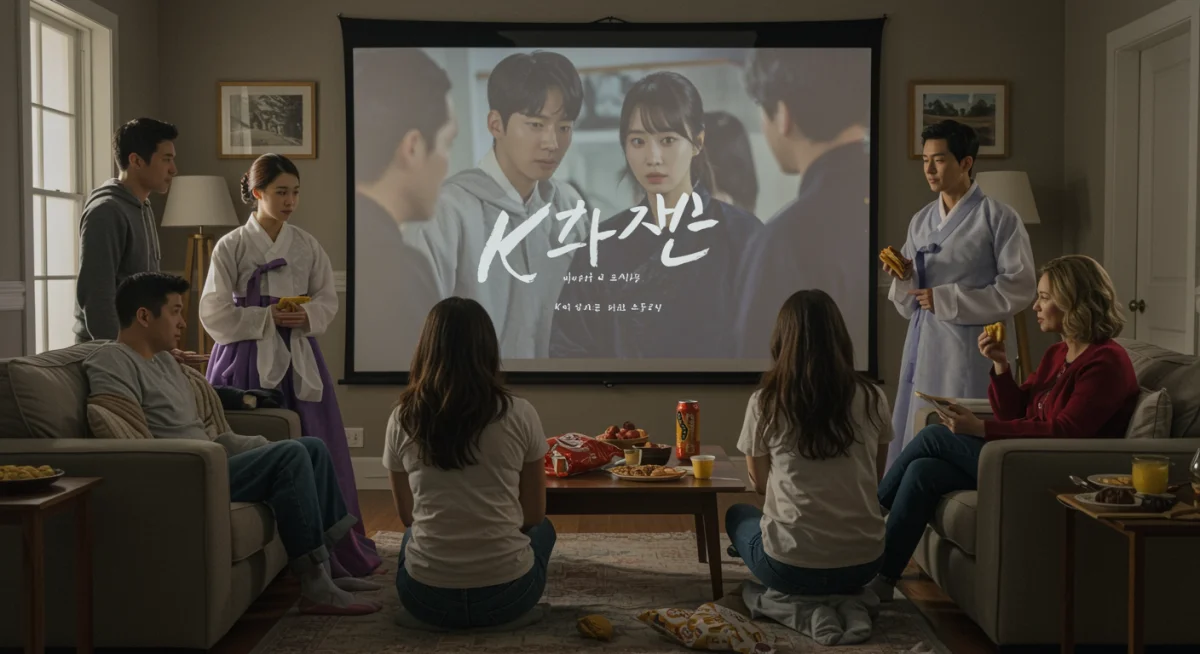
Exploring Korean gastronomy
The impact is visible in various aspects of American culinary culture. Supermarkets are stocking more Korean ingredients, and cooking channels are featuring Korean recipes.
- Restaurant Boom: An increasing number of Korean restaurants, from fine dining to casual eateries, opening across the US.
- Grocery Store Availability: Mainstream supermarkets now carrying essentials like gochujang, kimchi, and various Korean noodles.
- Home Cooking: Online tutorials and cookbooks dedicated to Korean cuisine experiencing a surge in popularity.
This culinary exploration goes beyond mere taste; it’s an immersive experience into Korean culture, where food often tells a story. From the intricate preparation of banchan (side dishes) to the shared joy of a hot pot, K-Dramas have effectively translated these experiences to a global audience.
The influence of K-Dramas on American dietary habits and preferences underscores the powerful role of visual media in shaping cultural consumption. Food, as presented in these dramas, becomes an inviting entry point into Korean traditions.
Fashion and beauty: K-Style infiltrating American trends
K-Dramas are not only showcasing captivating stories and delicious food but also setting significant trends in fashion and beauty. The stylish outfits worn by characters, their impeccable skincare routines, and unique makeup looks are inspiring American viewers to experiment with K-style. This influence is helping to bridge cultural gaps through shared aesthetic appreciation.
From the chic office wear in urban dramas to the elegant traditional hanbok in historical series, K-Drama fashion offers a diverse palette of styles. American viewers are increasingly seeking out similar aesthetics, leading to a rise in demand for Korean fashion brands and beauty products. The emphasis on glowing skin and natural makeup has particularly resonated with a wide demographic.
The allure of Korean beauty and fashion
The K-beauty industry, already a global leader, has found an even larger audience in the US thanks to K-Dramas. Characters often use products that become instant best-sellers, driving consumer interest.
- Skincare Routines: The multi-step Korean skincare regimen gaining widespread adoption among American consumers.
- Makeup Trends: “Glass skin” and gradient lip trends, popularized by K-Drama actresses, influencing Western beauty standards.
- Fashion Influence: Korean streetwear and elegant casual wear gaining traction in American fashion circles.
This cultural exchange in fashion and beauty signifies more than just superficial imitation; it represents an appreciation for Korean innovation and aesthetic philosophy. It’s a subtle yet powerful way for American audiences to engage with and incorporate Korean traditions into their daily lives.
The pervasive influence of K-Dramas on American fashion and beauty trends illustrates how entertainment can act as a catalyst for cultural adoption. This stylistic bridge further strengthens the connection between the two cultures.
Travel and tourism: dreaming of South Korea
The picturesque landscapes, bustling cityscapes, and serene historical sites frequently featured in K-Dramas have sparked a significant interest in South Korea as a travel destination among Americans. Viewers are not just watching stories unfold; they are mentally mapping out their next vacation, eager to experience the settings firsthand.
Dramas often highlight iconic landmarks, hidden gems, and local everyday life, creating an irresistible allure for potential tourists. The desire to walk in the footsteps of their favorite characters, explore traditional villages, or simply soak in the vibrant atmosphere of Seoul has become a powerful motivator for travel.
Experiencing Korea firsthand
Travel agencies and tourism boards have noted this trend, with an increase in inquiries and bookings for South Korea-focused tours. The narratives presented in K-Dramas provide a highly effective, prolonged advertisement for the country.
- Seoul City Tours: Popularity of tours visiting K-Drama filming locations and iconic neighborhoods.
- Historical Sites: Increased interest in ancient palaces, temples, and traditional hanok villages.
- Culinary Tourism: Desire to visit local markets and try authentic Korean street food.
This K-Drama-driven tourism is a profound form of cultural immersion, allowing Americans to move beyond passive viewing to active participation. It fosters a deeper appreciation for Korea’s rich history, natural beauty, and contemporary vibrancy.
The aspirational element of K-Dramas, showcasing South Korea as a dream destination, is a clear indicator of their profound cultural and economic impact. This translates directly into a tangible increase in American engagement with Korean traditions and places.
Cultural understanding and soft power
Beyond the tangible aspects of language, food, fashion, and travel, K-Dramas play a crucial role in fostering a deeper cultural understanding and acting as a form of soft power. By portraying diverse facets of Korean society, family values, social norms, and historical events, these shows offer a nuanced perspective that goes beyond stereotypes.
American viewers gain insights into Korean etiquette, hierarchical structures, work culture, and interpersonal relationships. This exposure cultivates empathy and breaks down preconceived notions, leading to a more informed and appreciative outlook on Korean traditions and society as a whole.
Promoting cross-cultural dialogue
K-Dramas often address universal themes of love, loss, ambition, and resilience, making them relatable to a global audience while simultaneously presenting them through a distinct Korean lens. This combination facilitates cross-cultural dialogue and mutual understanding.
- Dispelling Stereotypes: Dramas offer varied portrayals of Korean life, challenging monolithic perceptions.
- Showcasing Values: Emphasizing respect for elders, community spirit, and perseverance.
- Historical Education: Historical dramas providing engaging introductions to significant periods in Korean history.
The ability of K-Dramas to subtly educate and enlighten while entertaining is their greatest strength as a tool of soft power. They build bridges of understanding one episode at a time, solidifying the projected increase in American interest in Korean traditions.
In essence, K-Dramas are not just entertainment; they are cultural ambassadors, subtly but effectively shaping American perceptions and fostering a more profound and widespread appreciation for Korean heritage and identity.
| Key Impact Area | Brief Description of K-Drama Influence |
|---|---|
| Language Learning | K-Dramas inspire Americans to learn Korean, boosting enrollment in courses and app usage. |
| Culinary Exploration | On-screen food scenes drive interest in Korean cuisine, increasing restaurant visits and home cooking. |
| Fashion & Beauty | K-Drama styles and beauty routines influence American trends and product consumption. |
| Travel & Tourism | Scenic K-Drama locations motivate Americans to visit South Korea, boosting tourism. |
Frequently asked questions about K-Drama’s cultural impact
K-Dramas expose viewers to spoken Korean, often with relatable contexts, making the language feel more accessible and desirable to learn. Many viewers start by trying to understand common phrases, then progress to formal study to fully appreciate dialogue nuances without subtitles.
Streaming platforms like Netflix and Viki provide easy, global access to K-Dramas, breaking down geographical and linguistic barriers. Their recommendation systems introduce K-Dramas to diverse audiences, significantly expanding their reach and cultural influence across the US.
While K-Dramas offer valuable insights into Korean traditions and daily life, like any fictional media, they often dramatize or romanticize certain aspects. They provide a window into the culture, but it’s important for viewers to also seek out diverse sources for a comprehensive understanding.
K-Drama characters often showcase trendy outfits and innovative beauty products, which viewers then seek to emulate. This exposure popularizes K-fashion and K-beauty, influencing consumer choices and introducing new aesthetic standards and routines to the American market.
The increased interest is expected to lead to stronger cultural ties between the US and South Korea, fostering greater mutual understanding, more cultural exchanges, and potential collaborations in various sectors. It represents a powerful form of soft diplomacy and cultural enrichment.
Conclusion
The undeniable influence of K-Dramas in the United States extends far beyond mere entertainment. They have become powerful conduits for cultural exchange, significantly contributing to a projected 10% increase in American interest in Korean traditions by 2026. From inspiring language learning and culinary exploration to shaping fashion trends and boosting tourism, K-Dramas are effectively bridging cultures and fostering a deeper, more nuanced appreciation for all things Korean. This phenomenon underscores the profound impact of storytelling and media in creating global understanding and connection.